Map

Cagayan

Cagayan Valley
Luzon
Capital Tuguegarao City
Population 1,268,603
Area 9,015 km²
Municipalities 29
Cities 1
Island Group Luzon
Languages Ibanag, Ilocano, Itawis, Malaweg
Kapitbahay — Neighboring Provinces

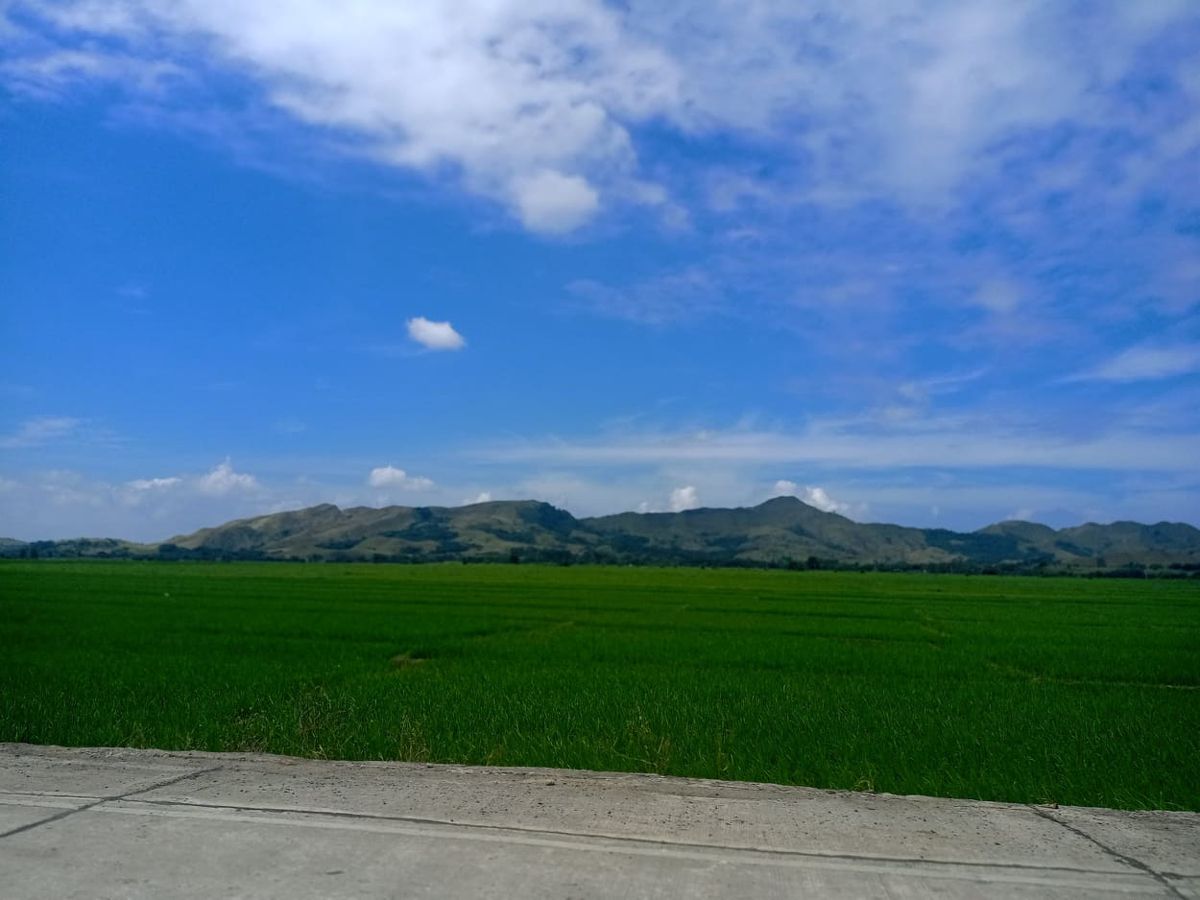
Cagayan is the northernmost mainland province of the Philippines, occupying most of the Cagayan Valley — a broad, flat basin drained by the Cagayan River, the longest river in the country. The valley is bounded by the Cordillera Central to the west and the Sierra Madre to the east, with the Babuyan Channel and South China Sea to the north. Its isolation and fertility shaped a distinct regional culture centered on the Ibanag people and their neighbors.

Tuguegarao CityCapital
9,015 km²Area
29Municipalities
LuzonIsland Group
Cagayan Valley (II)Region

Valley of the Great River

The Cagayan River runs 505 kilometers from the Caraballo Mountains in Nueva Vizcaya to the Babuyan Channel at Aparri, draining the entire valley. For centuries it was the main highway of the region — boats and bamboo rafts moved goods and people up and down its brown current. The river still floods seasonally, depositing fertile silt across the valley's rice and corn fields.

Did You Know?

Callao Cave in Peñablanca, Cagayan, yielded fossil remains of Homo luzonensis in 2019 — a previously unknown species of archaic human that lived in the Philippines at least 50,000 years ago, and possibly over 67,000 years ago.

Tuguegarao City is the regional center for the Cagayan Valley and has the northernmost commercial airport in Luzon. The province is known for extreme heat — temperatures in the valley can reach 42°C during summer — and for equally extreme rainfall during typhoon season, as storms track directly through the northern Philippines.
Archaeological evidence from Callao Cave shows human occupation of the Cagayan Valley extending back hundreds of thousands of years. The Cagayan valley sites have also yielded crude stone tools associated with Homo erectus dating to 700,000 years ago, making this one of the oldest documented human habitation sites in Southeast Asia.

c. 700,000 years ago

Earliest Human Evidence

Stone tools found in Cagayan Valley represent some of the oldest evidence of hominid presence in Southeast Asia. Debate continues over which species made them.

1572

Spanish Contact

Spanish explorer Juan de Salcedo leads an expedition into the Cagayan Valley, making first recorded Spanish contact with the Ibanag people and other valley inhabitants.

1581

Province Established

Cagayan is formally established as a province under Spanish colonial rule. Dominican missionaries begin systematic evangelization of the valley communities.

1582

Battle of Cagayan

Spanish forces under Captain Juan Pablo de Carrión defeat Japanese pirates (Wokou) at the mouth of the Cagayan River near Aparri — one of the few recorded battles between Spanish and Japanese forces in history.

1848

Tuguegarao Becomes Capital

Tuguegarao is designated the capital of Cagayan province, a status it retains through the present.

2019

Homo luzonensis Discovery

Researchers announce the discovery of Homo luzonensis — a new species of archaic human — based on fossils excavated from Callao Cave. The finding reshapes understanding of human evolution and migration in Southeast Asia.

The Ibanag are the dominant ethnic group of the Cagayan Valley, with a language and cultural tradition distinct from Tagalog, Ilocano, or any other Philippine group. Their territory historically centered on the lower Cagayan River, and Dominican missionaries found them one of the most organized and resistant peoples in Luzon. Today Ibanag identity remains strong in the municipalities along the middle and lower Cagayan.

The Ibanag Tradition

Ibanag society was historically organized around riverine trade and wet rice agriculture. Their material culture included elaborate weaving traditions — the nigo basket and various body-worn textiles — and a strong oral literary tradition. Spanish colonization disrupted much of this, but the Ibanag language survived as a living community language. Approximately 500,000 people speak Ibanag today.

Patron of Tuguegarao

The Diocesan Shrine and Parish of Our Lady of Piat in Piat, Cagayan is one of the most visited Marian shrines in Northern Luzon. The image of Our Lady of Piat, brought by Dominican missionaries in the early 17th century, draws pilgrims from across Cagayan Valley and the Cordillera.

The Tuguegarao Founding Anniversary and the various town fiestas across Cagayan are marked by Ibanag cultural performances, including traditional dances that reference rice cultivation and river life. The Magigimma dance, performed by women in Ibanag traditional dress, is among the most recognized in the region.

GA

Gregorio Aglipay

Founder of the Philippine Independent Church1860–1940

Born in Batac, Ilocos Norte, Aglipay was Vicar-General of the Manila Diocese during the Revolution. He allied with Aguinaldo, was excommunicated by Rome, and in 1902 founded the Iglesia Filipina Independiente (Aglipayan Church), which became the largest non-Roman Catholic Christian denomination in the Philippines. Though not from Cagayan, he served and lived in the region for significant periods.

See the great festivals in Pista ng Pilipinas →

Cagayan's food is shaped by the abundance of the valley — river fish, freshwater crab, corn, and tobacco are the primary agricultural products, and all appear in the local cuisine. The Ibanag have a distinct culinary tradition that differs from both Ilocano and Tagalog cooking. Fermented fish and dried meats feature prominently, suited to a climate where preservation is a practical necessity.

Ibanag Pancit Batil Patung

A noodle dish specific to Tuguegarao and the Cagayan Valley. Fresh egg noodles are topped with sautéed carabao meat and vegetables, then draped with a fried egg. It is served with a bowl of beef broth on the side for dipping. The name comes from Ibanag — batil means to beat (the egg), patung means to place on top.

Inatata

A traditional Ibanag sweet made from ground glutinous rice and sugar, cooked to a firm, chewy consistency. It is formed into rounds or logs and eaten as a snack or dessert. Texture and sweetness vary by household recipe.

Pancit Batil Patung

Tuguegarao, Cagayan
20 minutesPrep
25 minutesCook
4Serves
Ingredients
  • 400gFresh miki noodles (egg noodles)
  • 200gCarabao meat or beef, thinly sliced
  • 100gPork liver, thinly sliced
  • 1 medium, slicedOnion
  • 4 cloves, mincedGarlic
  • 2 tablespoonsPatis (fish sauce)
  • 2 cupsBeef broth
  • 1 cupBean sprouts
  • 4Eggs
  • 3 tablespoonsCooking oil
  • to tasteSalt and pepper
Method
  1. Sauté garlic and onion in oil until soft. Add meat and liver; cook until browned. Season with patis, salt, and pepper.
  2. Add noodles to the pan. Pour in half the broth. Toss to coat and cook until noodles absorb the liquid and are tender, about 5 minutes.
  3. Add bean sprouts and toss briefly — they should remain slightly crunchy.
  4. In a separate pan, fry eggs sunny-side up.
  5. Serve noodles in bowls. Top each serving with a fried egg. Serve remaining broth in small bowls on the side for dipping.
Cook's note

The defining feature of pancit batil patung is the egg on top and the broth on the side — dipping noodles and meat into the broth between bites is part of the eating ritual. Do not skip the broth component.

The Cagayan Valley has a complex linguistic landscape. Ibanag is the primary indigenous language of the lower valley and around Tuguegarao. Ilocano, brought by migrants from Ilocos Region, is now widely spoken in much of the province. Itawit, Gaddang, Malaweg, and other smaller languages are spoken in specific municipalities. Tagalog and English are used in government and education.

~500,000 speakersIbanag
Widely spoken (migrant)Ilocano
Upper Cagayan areasItawit
Interior municipalitiesGaddang

Ibanag has a written tradition dating to early Dominican missionary records — grammars and vocabularies were compiled by Spanish friars in the 17th and 18th centuries. Modern Ibanag uses the Latin alphabet. The language has a system of focus-marking typical of Philippine languages and a significant vocabulary that reflects the valley's agricultural and riverine culture.

A Language with Ancient Roots

Linguistic evidence suggests Ibanag is among the earlier Austronesian languages to have differentiated in northern Luzon, with distinct features not found in neighboring Philippine languages.

Cagayan is remote by Philippine standards — it is a long drive or short flight from Manila. Tuguegarao has a domestic airport with regular flights from Manila. By land, the Maharlika Highway runs the length of the Cagayan Valley from Quezon City, a journey of 8–10 hours depending on conditions. The payoff for the distance is a valley that still feels unhurried, with a distinctive regional culture and some extraordinary natural sites.

~1 hour (Tuguegarao Airport)From Manila by air
8–10 hours (Maharlika Hwy)From Manila by bus
November–April (dry season)Best months
Typhoon season June–OctoberWarning

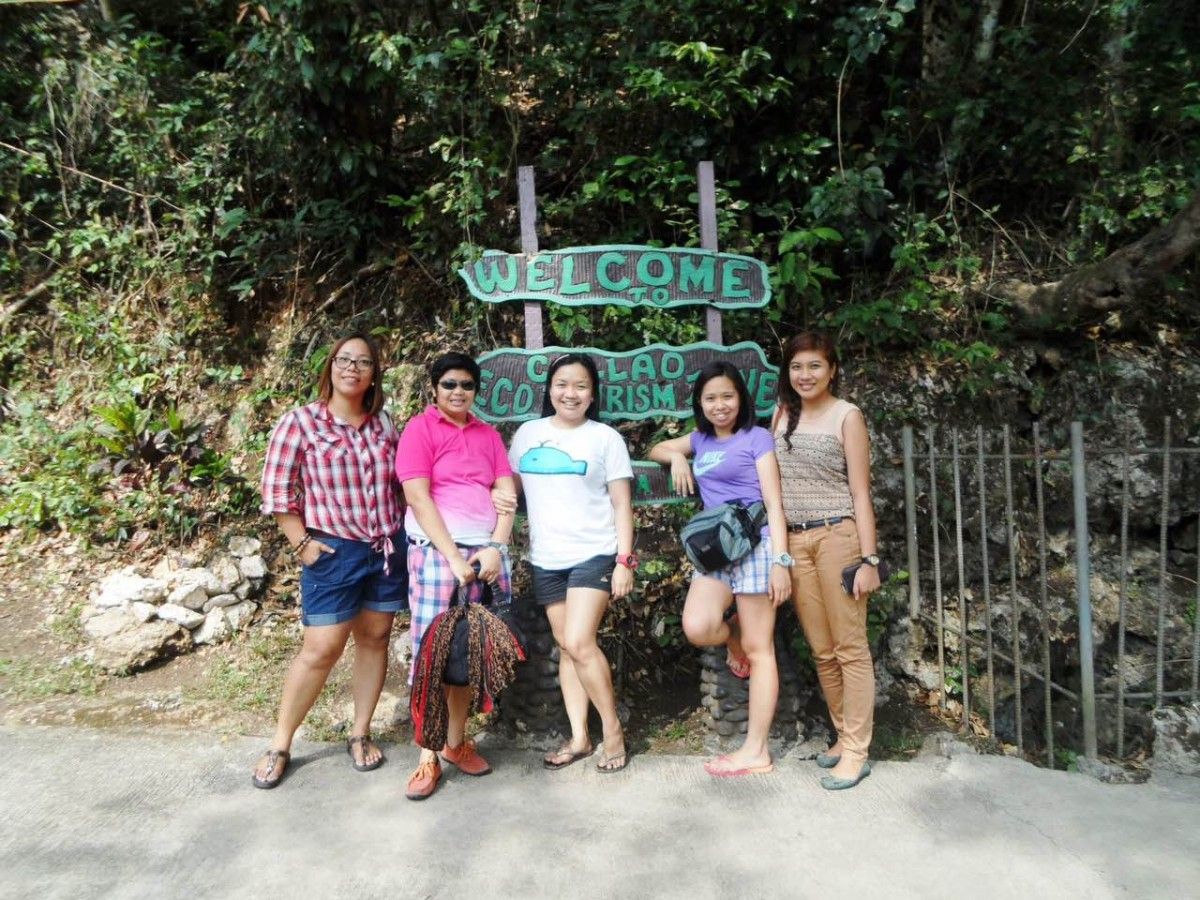
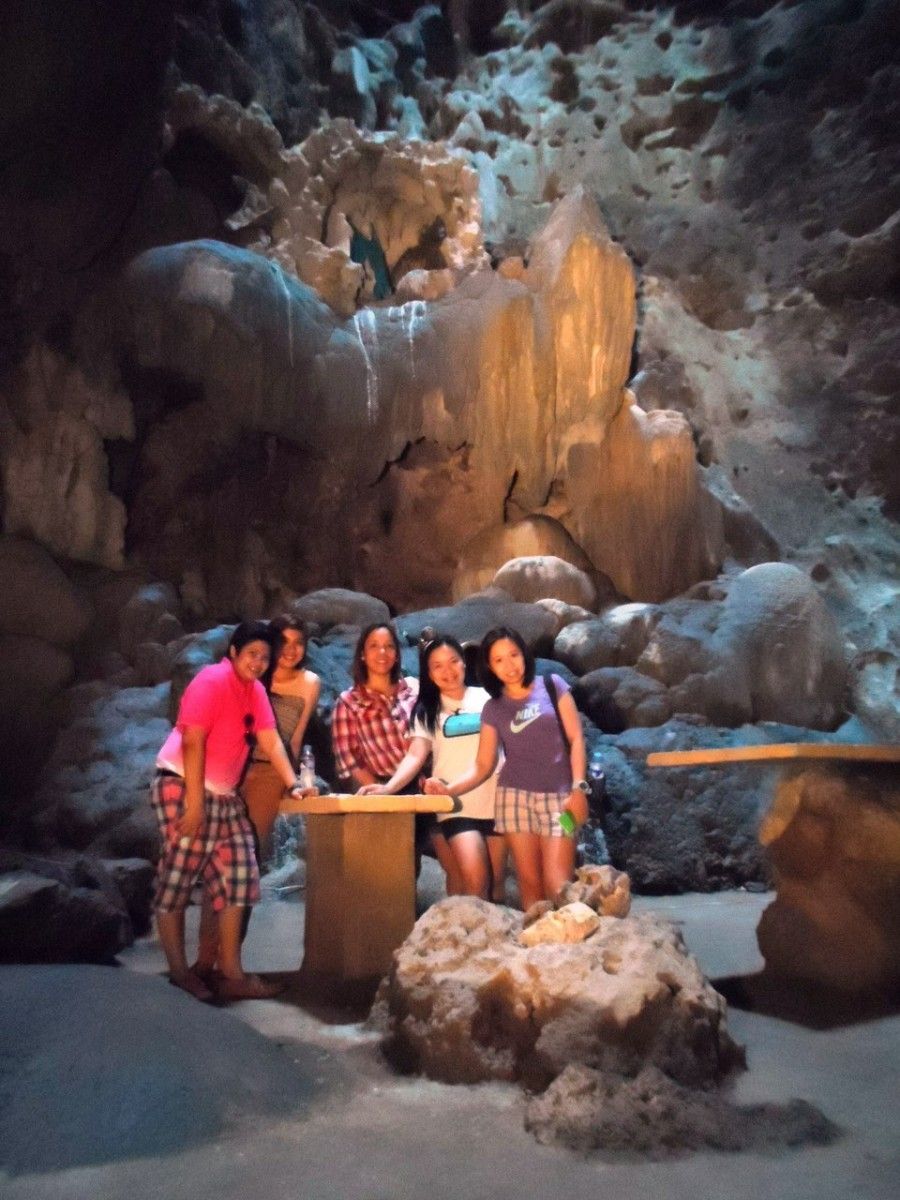
Callao Cave

Seven interconnected chambers inside a limestone massif in Peñablanca. One chamber has been converted into a chapel with a natural skylight. The cave complex is known for its stalactites and stalagmites, but its archaeological significance — as the site of Homo luzonensis fossils — may be its most important attribute. A short river boat ride from the park entrance reaches the cave mouth.

Palaui Island

A protected island off the northeastern tip of Luzon in Santa Ana municipality, Palaui is one of the most ecologically intact islands in northern Philippines. A Spanish-era lighthouse on Cape Engaño commands views of the Pacific. The island has no permanent settlement and access is by outrigger boat from Port Irene. Camping is permitted with permits.

Cagayan River

The 505-kilometer Cagayan River can be experienced by boat from several points along its course. Bamboo raft and motorboat trips are available near Tuguegarao. The river's banks, lined with bamboo and ricefields, give an unmediated sense of what the valley has looked like for centuries.

Piat Marian Shrine

The Diocesan Shrine of Our Lady of Piat in Piat municipality houses a 17th-century image brought by Dominican missionaries. The annual pilgrimage in early July draws tens of thousands of devotees from across Cagayan Valley and the mountain provinces. The church building is one of the better-preserved Spanish colonial ecclesiastical structures in Northern Luzon.

Wildlife and natural heritage content coming.

Meet all 65 Philippine animals in Hayop ng Pilipinas →
← All stories
Kasaysayan · Tuguegarao City

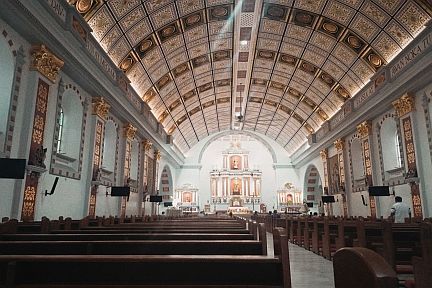
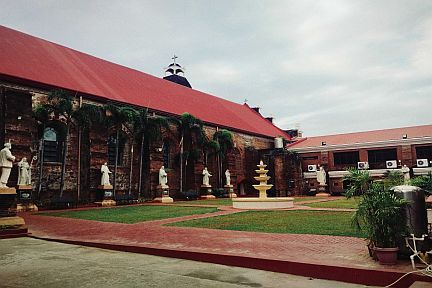
St. Peter Metropolitan Cathedral

In the heart of Tuguegarao City, on Rizal Street, stands the St. Peter Metropolitan Cathedral, also called the Tuguegarao Cathedral. It is one of the largest churches in the Cagayan Valley and the seat of the Archdiocese of Tuguegarao.

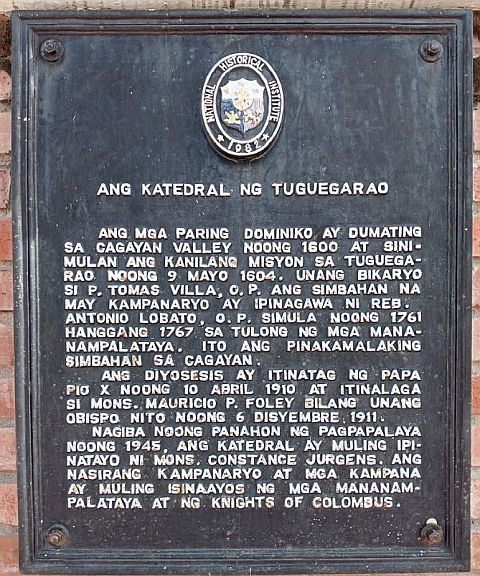
The Dominican friars reached the Cagayan Valley in 1600 and began their mission in Tuguegarao in 1604. The cathedral and its bell tower were built between 1761 and 1767 under Fr. Antonio Lobato, with the help of the local faithful. It remains the largest church in Cagayan.

The diocese was created by Pope Pius X in 1910, and the first bishop, Msgr. Mauricio Foley, was appointed in 1911.

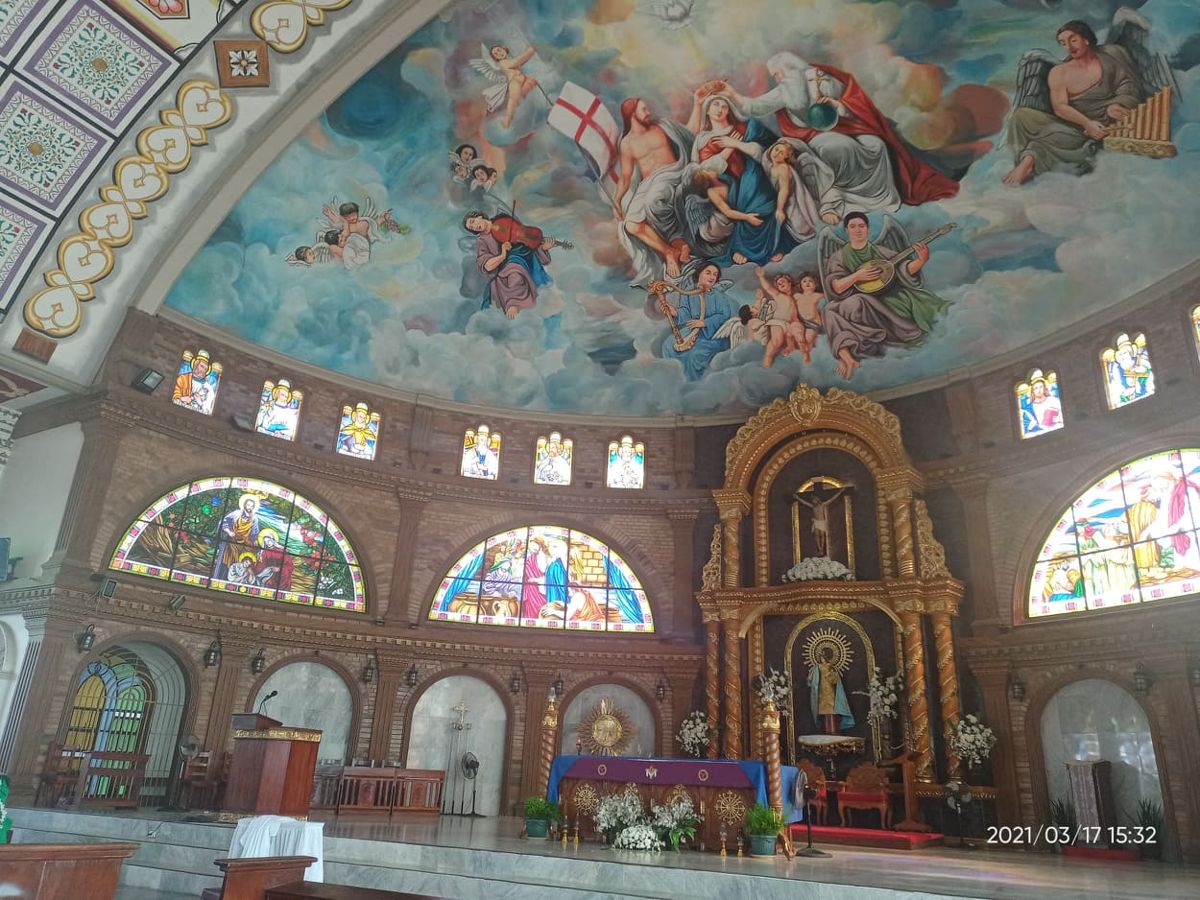
The facade is Baroque, built of brick, with ornate carvings, grand arches, and tall bell towers. Inside, high vaulted ceilings, a grand altar, and stained-glass windows give the space a quiet, reverent air.

The cathedral was badly damaged during the liberation of 1945. It was rebuilt under Msgr. Constance Jurgens, and the bell tower and bells were restored by the faithful and the Knights of Columbus.

Every 29 June the city honors St. Peter, the cathedral patron, with processions and celebration. For any visitor to Tuguegarao, the cathedral is worth the stop.

Mga Larawan

← All stories
Lugar · Cagayan Valley

Tour de Norte

Tour de Norte is the name my Regional Manager, Allain Mendoza, gave to the route we take on our site visits across the Ilocos Region and the Cagayan Valley.

The route starts at the Lemcon satellite office in San Vicente, Urdaneta City, Pangasinan. From there we head to my home province, La Union, the gateway to Baguio and the Ilocos provinces, known for the grape farms of Caba and the beaches of Bauang and San Juan.

Next comes Ilocos Sur and the city of Vigan, famous for its preserved Spanish-colonial streets. Calle Crisologo is its heart, where you can ride a kalesa, a horse-drawn carriage, through the old town.

Two hours on lies Ilocos Norte, with the sand dunes of Paoay, the Cape Bojeador lighthouse in Burgos, the beaches of Pagudpud, the windmills of Bangui, and my favorite road of all, the Patapat Viaduct.

Between Adams in Ilocos Norte and Tuguegarao in Cagayan there is little but the Claveria View Deck. The road is long and winding, with only mountains, forests, rice fields, and quiet communities. It is the kind of road that makes you reflect on your own journey, and I did.

When you reach Tuguegarao, do not leave without eating at a panciteria like Wayne's in Iguig or the eatery at Solana Crossing. And when you are done touring Cagayan, stop in Nueva Vizcaya for its award-winning buko pie and crisp chicharon.

The Tour de Norte we took, on 20 to 22 May, was a short journey on a very long road, and I enjoyed every moment of it. North Luzon is my favorite place in the Philippines.

Mga Larawan

← All stories
Kasaysayan · Solana

Solana on the Cagayan River

Solana sits along the Cagayan River and carries a long history from the Spanish period.

The town was established on 18 August 1851, formed out of Tuguegarao and named after the Spanish governor-general Antonio de Urbiztondo, Marques de la Solana. Its parish followed in the 1850s.

Its place on the river made it a center of farming and trade. Rice, corn, and tobacco were the main crops, and the river carried goods to and from the town.

The town church is the St. Vincent Ferrer Parish Church, named for its patron, St. Vincent Ferrer. Today the people of Solana work to preserve their old buildings and their heritage for the generations that follow.

← All stories
Pagkain · Tuguegarao City

Pancit Batil Patong

A visit to Cagayan is never complete without Tuguegarao's pancit batil patong. Before I head home to Gattaran, I always stop in Tuguegarao for it. As people here say, you are not truly home until you have eaten batil patong. I agree.

The dish is built on the town's own fresh noodles, topped with minced carabao meat and a poached egg, and served with a bowl of soup on the side. Batil means to beat, for the egg beaten into the soup. Patong means to place on top, for the egg and toppings that crown the noodles. Panciterias sit on almost every corner of Tuguegarao.

On my last visit I tried a new panciteria in Winnawwa and added chicharon bulaklak on top. It was better than I expected, with homemade noodles, meat, and egg, and the soup kept apart. You mix your own sauce from sliced onion, vinegar, soy sauce, and plenty of calamansi, best with a cold drink.

This is my obligatory food photo whenever I am home.

← All stories
Lugar · Penablanca

Callao Cave

This is a church. This is a cave. It is a church in a cave.

Callao Cave is a limestone cave in the town of Penablanca, Cagayan. It takes 184 steps to reach the main archway. Inside are seven chambers, and a chapel fills the first one, lit by a natural opening in the rock above. Masses are still held there.

As you go deeper, you pass chambers of stalactites and stalagmites, several with skylights where sunlight falls through the roof and lights the stone.

There is deep history here. In 2019, scientists announced a new human species from these grounds, Homo luzonensis, from fossils at least 50,000 to 67,000 years old. People have lived in this valley for a very long time.

Callao is worth the climb, for the cool air, the light through the rock, and the quiet of the chapel inside the earth.

Mga Larawan