Map

Cebu

Central Visayas
Visayas
Capital Cebu City
Population 5,101,199
Area 5,088 km²
Municipalities 44
Cities 9
Island Group Visayas
Languages Cebuano, Filipino
Kapitbahay — Neighboring Provinces
An island province — the sea is the only neighbor. That isolation shaped everything here.

Cebu is the most populous province in the Visayas and among the most economically significant in the Philippines. Cebu City — the Queen City of the South — is the second most important urban center in the country and the oldest city in the Philippines, predating Manila as a Spanish settlement by five years. The province occupies a long, narrow island running north-south in the Central Visayas, flanked by the Visayan Sea to the west and the Camotes Sea to the east.

Cebu CityCapital
5,088 km²Area
44Municipalities
9Cities
VisayasIsland Group
Central Visayas (VII)Region

Where Spain First Took Root

Cebu is where Ferdinand Magellan planted a cross and where, six weeks later, Lapu-Lapu killed him at the Battle of Mactan. Both events are commemorated within kilometers of each other. The island became Spain's first permanent settlement in the Philippines in 1565 under Miguel López de Legazpi, and the Basilica Minore del Santo Niño — the oldest Roman Catholic church in the Philippines — was built on the site where a statue of the Child Jesus was found, the same statue Magellan had given to Rajah Humabon's wife in 1521.

Did You Know?

The Santo Niño image in Cebu's basilica is the oldest Catholic religious artifact in the Philippines, brought by Magellan in 1521 and rediscovered intact by Legazpi's expedition in 1565 — 44 years later.

Cebu's pre-colonial history places it as one of the most active trading ports in Southeast Asia. The polity of Zubu (Cebu) traded with China, Borneo, Java, and Malacca before European contact. The arrival of Magellan's fleet was not the island's first contact with the outside world — it was simply the contact that changed the trajectory of the archipelago.

April 7, 1521

Magellan Arrives

Ferdinand Magellan's fleet anchors off Cebu. He allies with Rajah Humabon and baptizes thousands of Cebuanos, including the rajah and his wife, Hara Amihan (baptized Juana). He presents the Santo Niño image to the queen.

April 27, 1521

Battle of Mactan

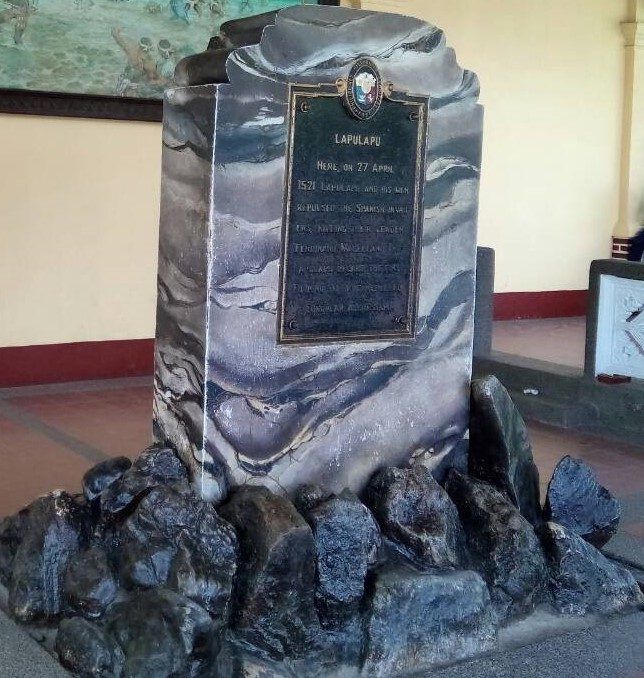
Magellan leads an attack on Mactan Island against Datu Lapu-Lapu, who refused to acknowledge Spanish authority. Magellan is killed in the shallow water by Lapu-Lapu's warriors. His expedition continues without him to complete the first circumnavigation.

1565

Spanish Colonization

Miguel López de Legazpi establishes the first permanent Spanish settlement in the Philippines at Cebu. His men rediscover the Santo Niño image intact in a house. The settlement becomes Villa del Santísimo Nombre de Jesús — the first Spanish city in the Philippines.

1571

Capital Moves to Manila

Legazpi transfers the colonial capital to Manila, recognizing its superior harbor position for governing the archipelago. Cebu remains important as a regional center but cedes primacy.

1898

Revolution and American Period

Cebu joins the Philippine Revolution and briefly becomes a free territory before American forces arrive in 1899. Cebu proves a significant center of resistance to American colonial rule, with guerrilla fighting lasting into the early 1900s.

1942–1945

World War II

Japanese forces occupy Cebu in April 1942. The occupation is brutal. Cebu City suffers heavy damage during the 1945 liberation, with much of the old colonial infrastructure destroyed.

2013

Typhoon Yolanda / Haiyan

Super Typhoon Haiyan strikes the Visayas on November 8, causing significant damage in Cebu. The province suffers casualties and destruction of coastal communities, though the worst damage falls on Samar and Leyte.

Cebu is the cultural capital of the Visayas and the center of the Cebuano-speaking world. The Sinulog Festival — held every third Sunday of January in honor of the Santo Niño — is the largest festival in the Philippines by attendance, drawing millions of participants and tourists. The dance at the center of the festival is a controlled, repetitive movement forward and backward — sinulog means 'like water current.'

Sinulog

The Sinulog street dance competition brings thousands of costumed dancers from across Cebu and the wider Philippines. The grand parade transforms the streets of Cebu City into a moving spectacle that has been compared to Rio's Carnaval in scale and energy. The religious component — the novena masses at the Basilica, the procession of the Santo Niño image — precedes the secular street festival.

LL

Lapu-Lapu

Datu of Mactan, Defender Against Magellanc. 1491 – unknown

The ruler of Mactan Island who refused to submit to Spanish authority and killed Magellan in the Battle of Mactan on April 27, 1521. The circumstances of his life before and after the battle are largely unrecorded. He was later elevated to the status of the first Filipino hero — a designation contested by historians who note that the concept of the Philippines did not exist in 1521.

Sto. Niño Image

The Santo Niño of Cebu is one of the most venerated religious images in Asia. The original image has been damaged and repaired over centuries; its current form is a composite of original material and restoration. It wears robes changed by the basilica's devotional community.

See the great festivals in Pista ng Pilipinas →

Cebu has one of the strongest regional food identities in the Philippines. Cebuano cooking uses less coconut milk than other Visayan cuisines and emphasizes grilling, sourness, and the direct flavors of fresh seafood and pork. The lechon from Cebu — slow-roasted whole pig — is widely considered the best in the Philippines, a claim contested by Iloilo and Negros but generally conceded by everyone else.

Cebu Lechon

Whole pig slow-roasted over charcoal for 4–6 hours, stuffed with lemongrass, garlic, onion, and spices. The skin is lacquered to a deep red-brown and cracks like porcelain when cut. Unlike Manila's lechon, Cebu lechon needs no liver sauce — the meat is seasoned from the inside and the skin is flavorful on its own. Casa Verde and CnT Lechon are among the most famous operations.

Ngohiong

A Cebuano-Chinese spring roll — ground pork and jicama (singkamas) seasoned with five-spice powder and wrapped in a thin pastry skin, then deep-fried. The five-spice is the distinguishing element. Eaten with sweet chili sauce or a sweet vinegar dip, ngohiong is a ubiquitous street snack in Cebu City.

Kinilaw na Tanigue

Cebu / Visayas
20 minutesPrep
0 minutes (cured)Cook
4Serves
Ingredients
  • 400g, cubedTanigue (Spanish mackerel), sashimi-grade
  • ½ cupCoconut vinegar
  • 2 tablespoonsCalamansi juice
  • 2 tablespoons, finely mincedGinger
  • 1, thinly slicedRed onion
  • 2, thinly slicedRed chili
  • 2 tablespoonsCoconut cream
  • to tasteSalt
  • ½, sliced thinCucumber
Method
  1. Cube fish into 2cm pieces. Rinse in cold water and pat dry.
  2. Combine fish with coconut vinegar and calamansi. Toss to coat. Let cure 10 minutes until flesh turns opaque.
  3. Drain most of the curing liquid.
  4. Add ginger, red onion, chili, and coconut cream. Toss.
  5. Season with salt. Add cucumber.
  6. Serve immediately.
Cook's note

Coconut vinegar is the authentic acidulant for Cebuano kinilaw — the flavor is softer and slightly sweet compared to cane vinegar. The coconut cream addition is a Cebuano touch that adds richness. Use only the freshest fish.

Lechon in Cebu

Order lechon at Carcar City (south of Cebu City) or at the dedicated lechon houses in the city. Carcar's lechon is served in a dense market setting where vendors chop portions to order. Arrive by 10am — the best pieces go first.

Cebuano (also called Bisaya or Visayan) is the primary language of Cebu province and the most widely spoken language in the Philippines after Tagalog. It is the lingua franca of the Visayas and much of Mindanao, spoken as a first or second language by roughly 25–27 million people. The Cebuano of Cebu City is the prestige variety, the standard against which other Cebuano dialects are measured.

Cebuano (Bisaya)Language
~27 millionTotal speakers
2nd most spoken in PhilippinesStatus
Visayas + most of MindanaoSpread

Cebuano has a substantial literary tradition, including print journalism dating to the 19th century. The Bisaya magazine, founded in 1930, is one of the longest-running periodicals in the Philippine regional press. The University of San Carlos and the University of the Philippines Cebu have produced significant Cebuano language scholarship.

Language of Mindanao

Cebuano became the dominant language of coastal and lowland Mindanao through 20th-century migration from the Visayas. In provinces like Davao, Bukidnon, and South Cotabato, Cebuano serves as the everyday lingua franca even among people whose ancestors spoke entirely different languages.

Cebu is one of the best-connected domestic destinations in the Philippines. Mactan-Cebu International Airport handles extensive domestic and international traffic, with direct connections to Manila, Hong Kong, Singapore, Seoul, Tokyo, Dubai, and other cities. The airport is on Mactan Island, connected to Cebu City by two bridges. The city itself is a major hub for inter-island ferry travel.

Mactan-Cebu InternationalAirport
~1 hour by airFrom Manila
Yes (Hong Kong, Singapore, Tokyo, etc.)International flights
Pier 1–4, Cebu CityFerry hub

Basilica Minore del Santo Niño

The oldest Roman Catholic church in the Philippines, built on the site where Legazpi's soldiers found the Santo Niño image in 1565. The current structure is largely 20th-century reconstruction, but the religious atmosphere is unaffected by this history. The image is venerated daily by hundreds of devotees. During Sinulog week, the crowds number in the millions.

Magellan's Cross

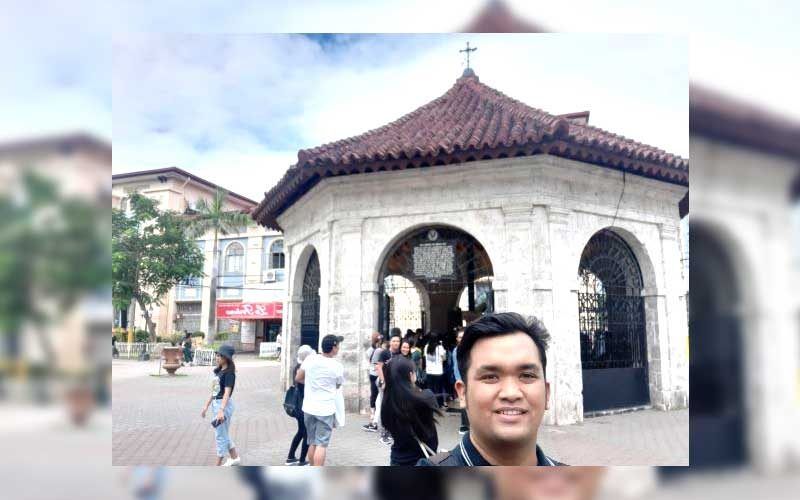
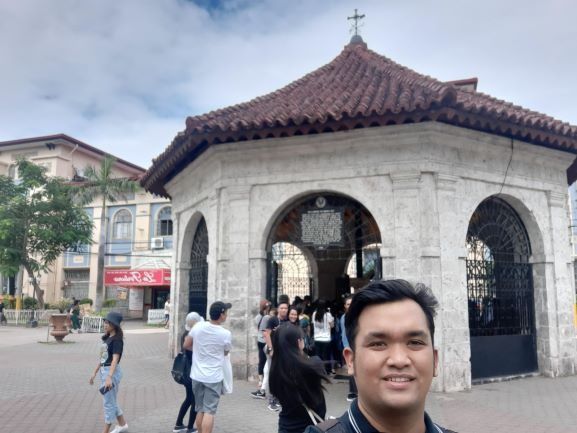
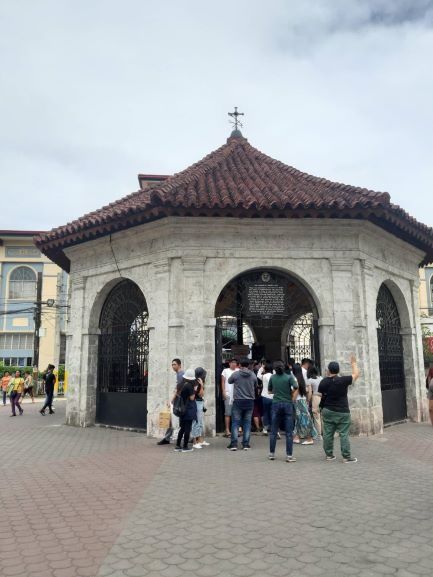
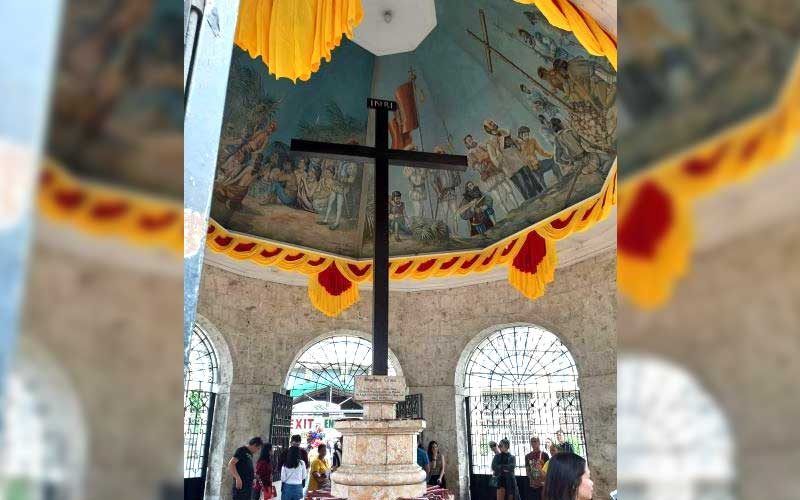
A cross planted by Magellan in April 1521 to mark the first mass in the Philippines — the original is allegedly encased inside the current wooden cross displayed in a small chapel adjacent to the Basilica. The chapel is always open. The cross is surrounded by ceiling paintings of the baptism of Rajah Humabon.

Kawasan Falls, Badian

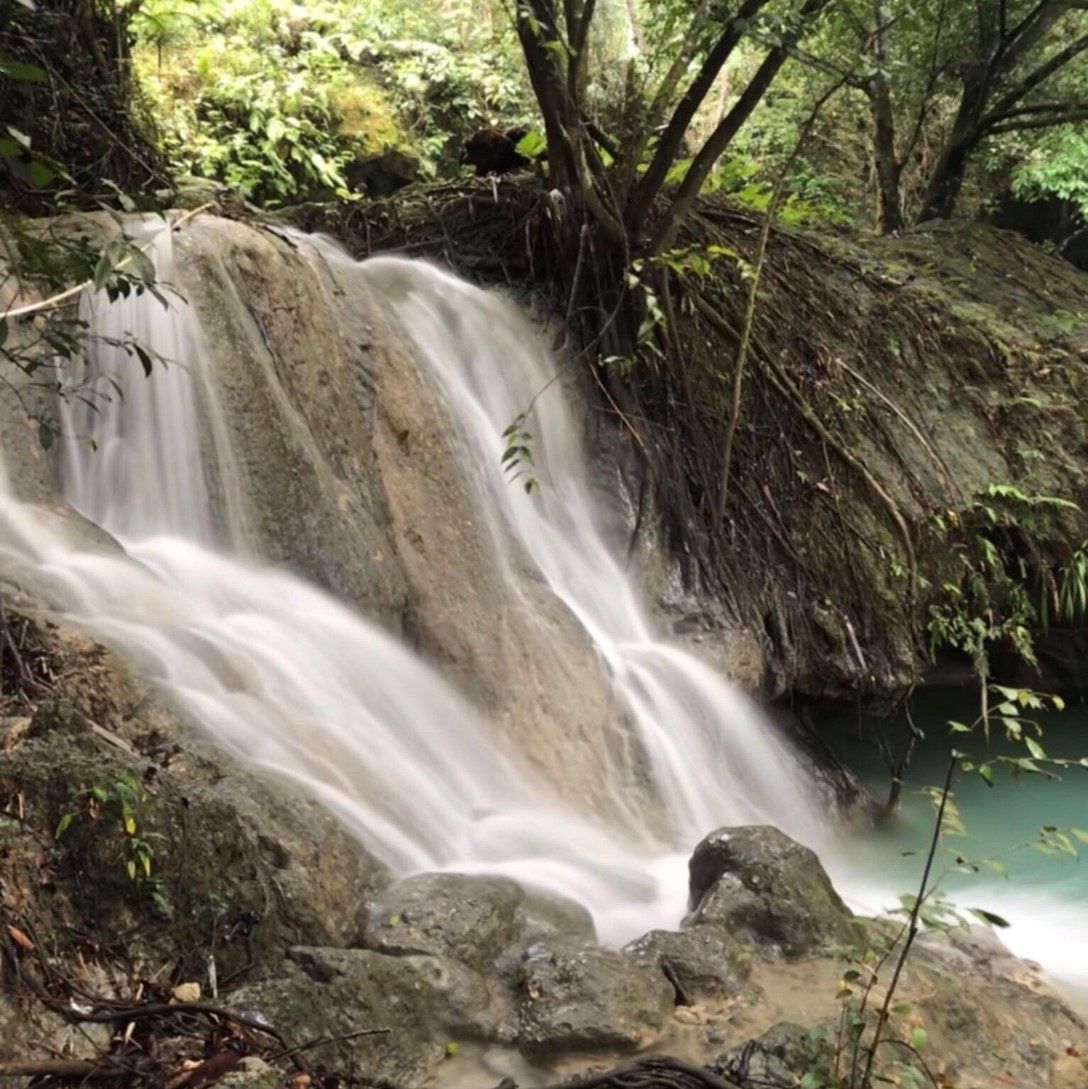
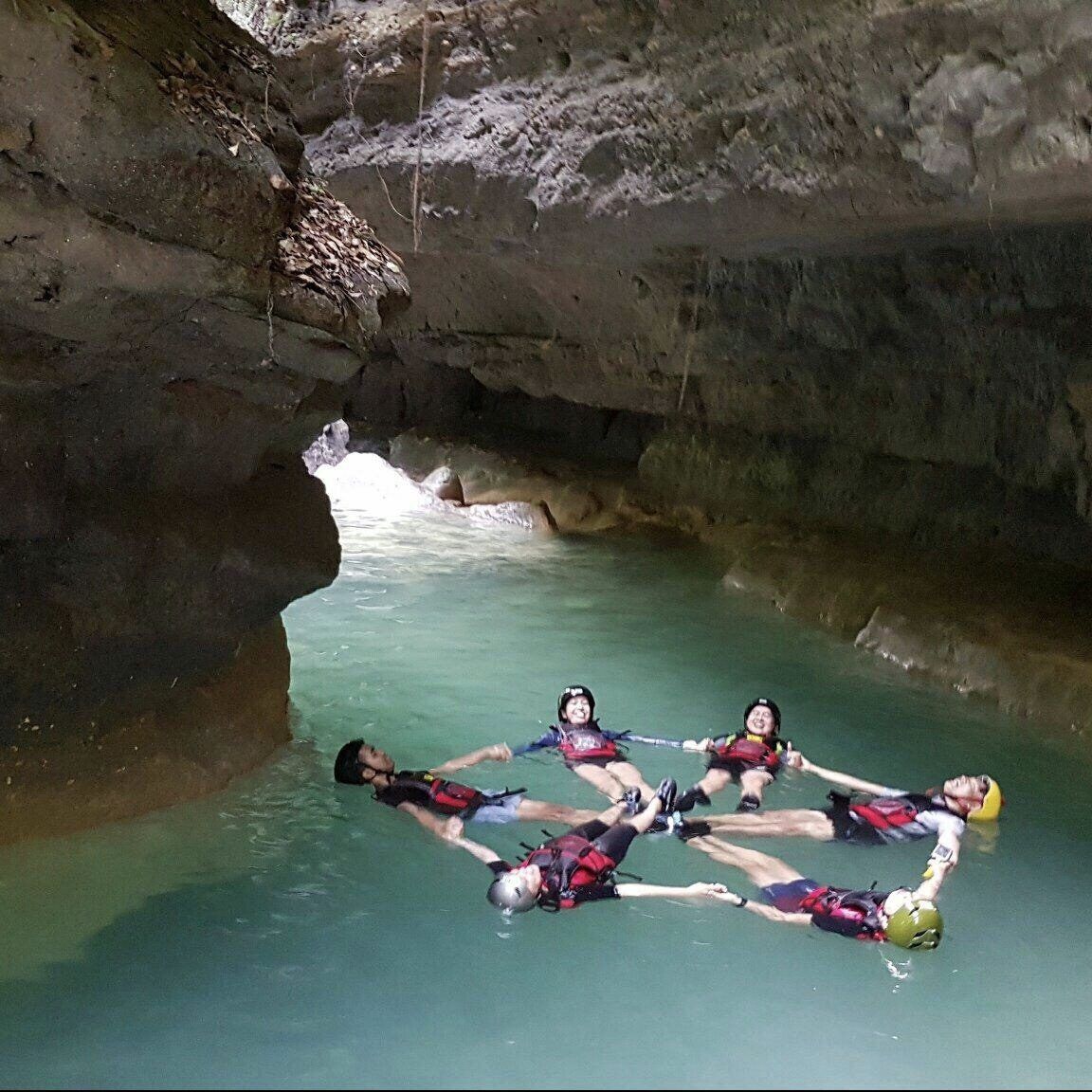
Multi-tiered turquoise waterfalls in the mountains of Badian municipality in southern Cebu, about 2.5 hours from the city. The falls have become extremely popular and crowded; visiting early in the morning or on weekdays reduces congestion. Canyoneering tours from Matutinao village combine river hiking with cliff jumping to reach the falls.

Whale Shark Watching, Oslob

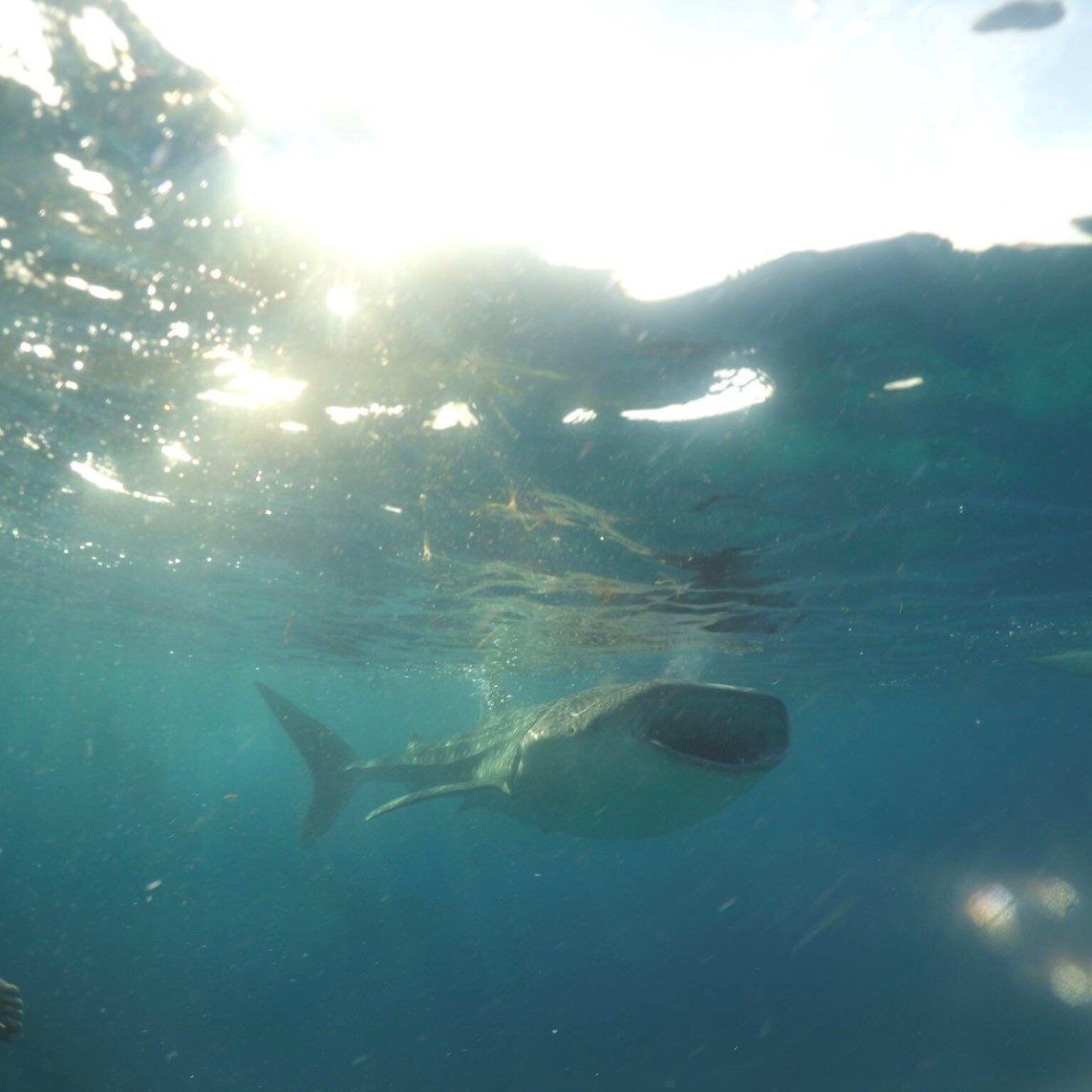
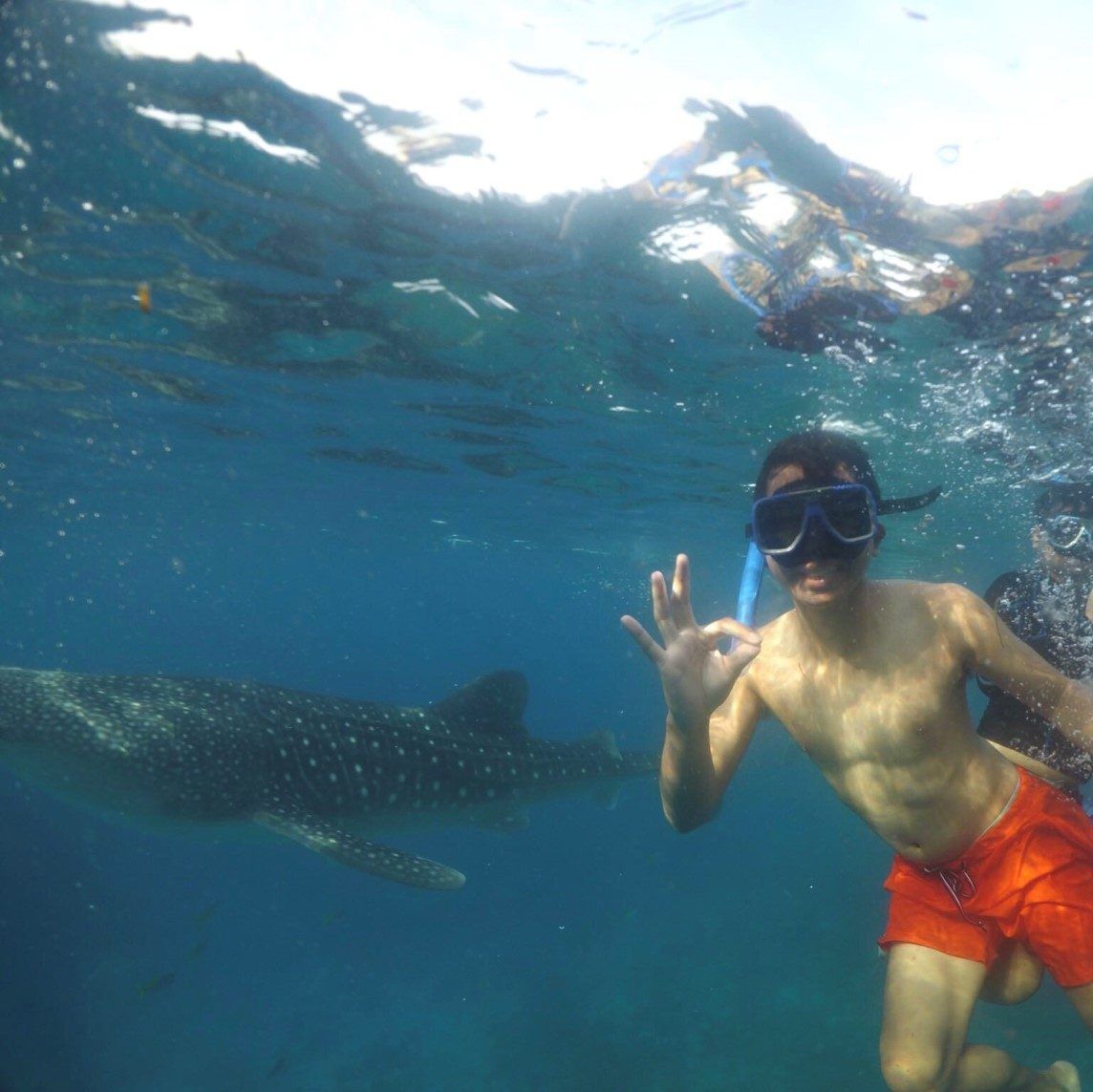
The town of Oslob in southern Cebu is known for feeding whale sharks, which allows tourists to swim with them at close range. The practice is ethically controversial — conservationists argue that feeding habituates the sharks and disrupts their natural behavior. Visitors should research the debate before deciding to participate.

Carcar Heritage City

A city in southern Cebu with a well-preserved heritage zone of 19th-century Spanish and American period stone houses. The Carcar public market is also famous for lechon — roasted pig sold by the kilo from stalls that open in the morning and sell out by midday. Carcar chicharron (pork cracklings) is another local specialty.

Wildlife and natural heritage content coming.

Meet all 65 Philippine animals in Hayop ng Pilipinas →
← All stories
Kasaysayan · Lapu-Lapu City, Mactan

The Battle of Mactan

On the shore of Mactan, history feels close enough to touch. This is the exact place where the Battle of Mactan happened.

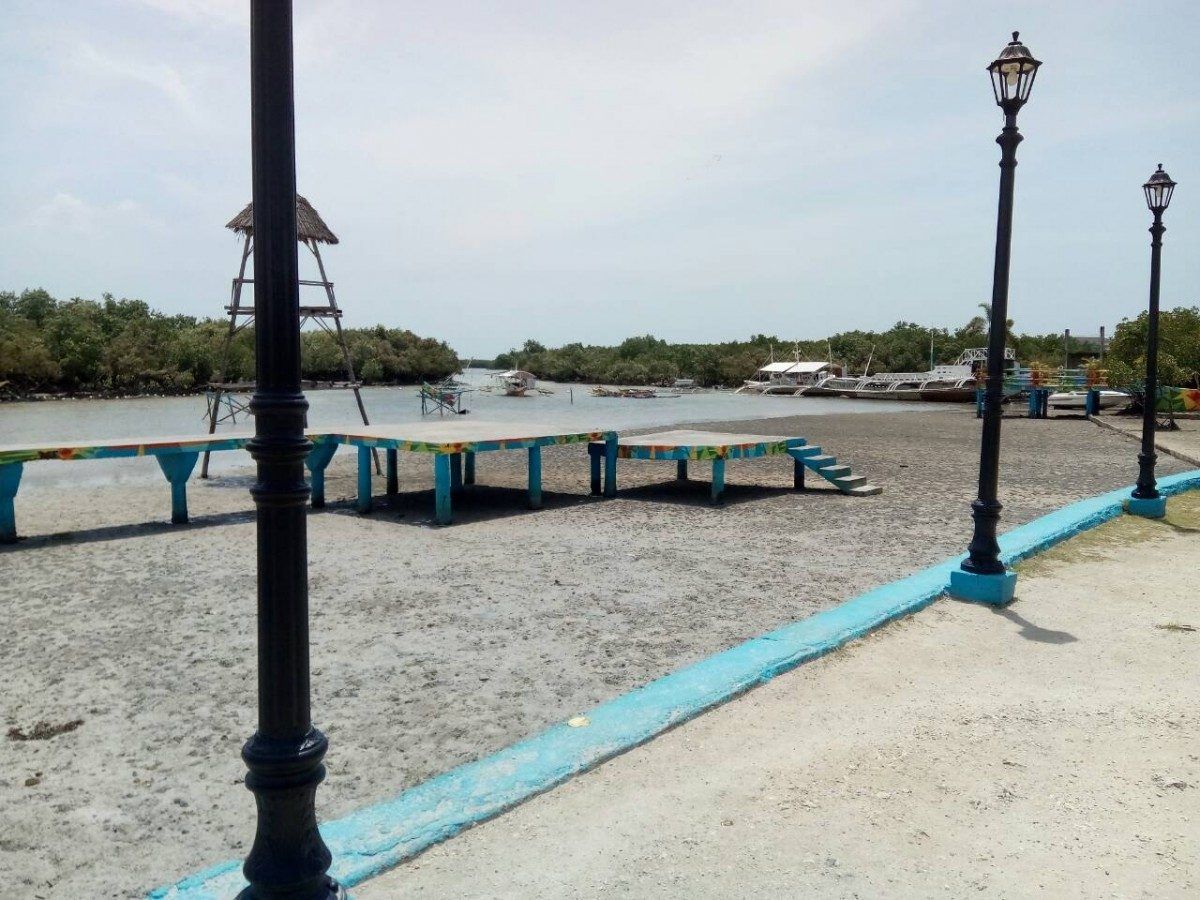
At first the Mactan Shrine feels like an ordinary park. There are trees, flowers, bamboo sheds, and wooden tribal statues. Then the memorial tower rises from the pavement, and the ground changes meaning. This is believed to be the spot where the great explorer fell.

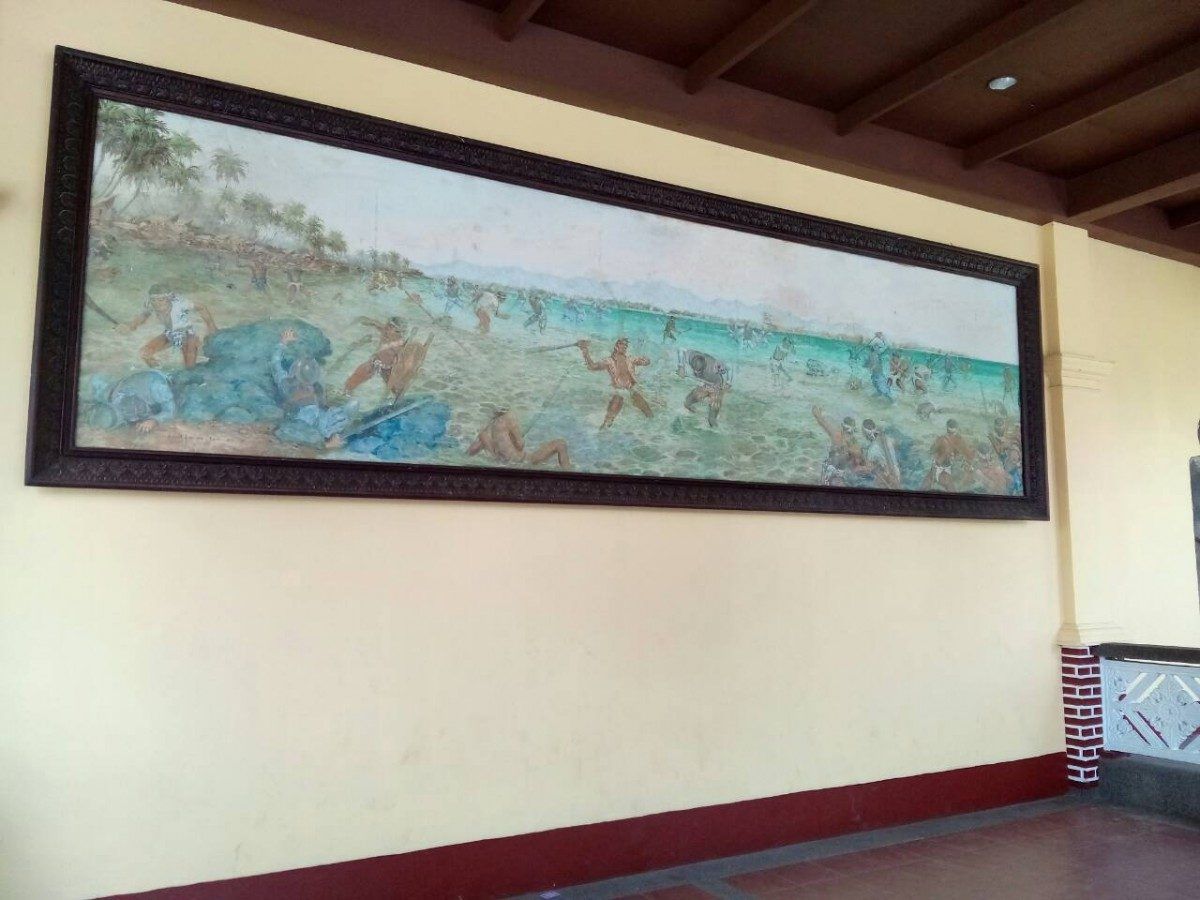
Do not miss the huge mural of the Battle of Mactan. It shows the clash between the men of Lapu-Lapu and the men of Magellan at the water line. At the end of the park stands the giant monument of Datu Lapu-Lapu, facing the sea as if he still guards it. This beach is where the foreign troops came ashore.

I stood at the water and looked out. Calm water, a little marsh, a wooden platform by the shore. Then the weight of the place hit me. This is where it happened. The mural came back into my mind, and my skin prickled.

Here is what the record holds. On 27 April 1521, Datu Lapu-Lapu, the chief of Mactan, met the expedition of Ferdinand Magellan in the shallow water. Magellan was a Portuguese explorer sailing for Spain. He was killed, and his force was driven back. Filipinos remember this as the first recorded stand against foreign rule. The Mactan Shrine, also called the Liberty Shrine, stands today in Punta Engano, Lapu-Lapu City. It holds the bronze statue of Lapu-Lapu and a monument to Magellan.
This place is filled with courage and love of country. It is a reminder to never give up, even against a stronger force.

Mga Larawan

← All stories
Kasaysayan · Cebu City

Magellan's Cross

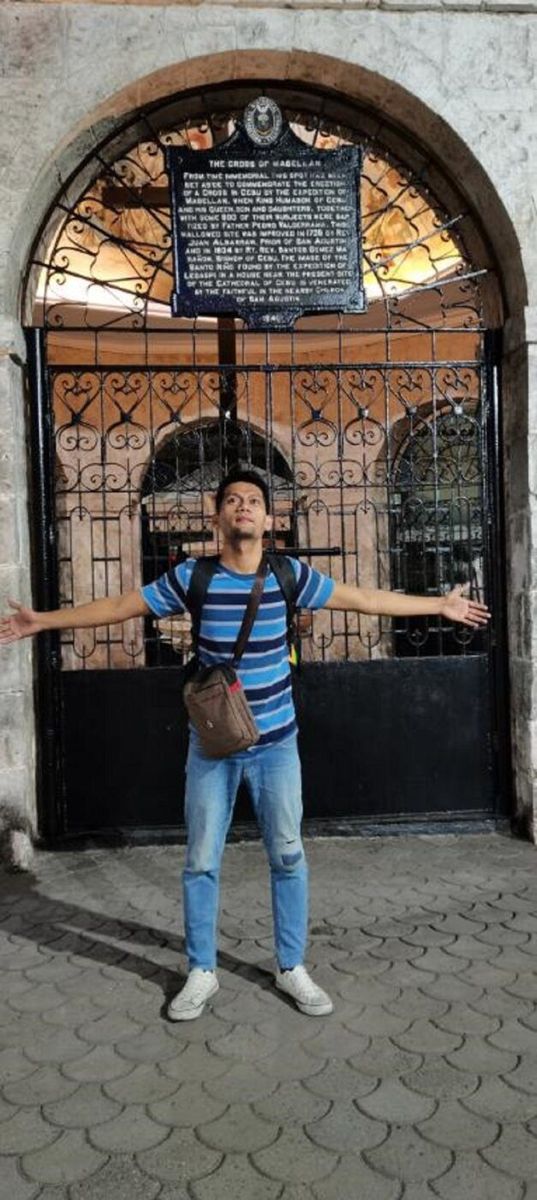
Magellan's Cross is still one of the most visited landmarks in Cebu. Cebuanos and travelers come to pay their respect, because it stands for the arrival of the Christian faith in the islands. To stand before it is a humbling experience.

The cross marks the year 1521, when the expedition of Ferdinand Magellan planted a wooden cross in Cebu. It is tied to the baptism of Rajah Humabon, his wife, and hundreds of their people. The site plaque gives the date as 21 April 1521, though historians place the first baptism a week earlier, on 14 April. Either way, this is where Christianity in the Philippines began.

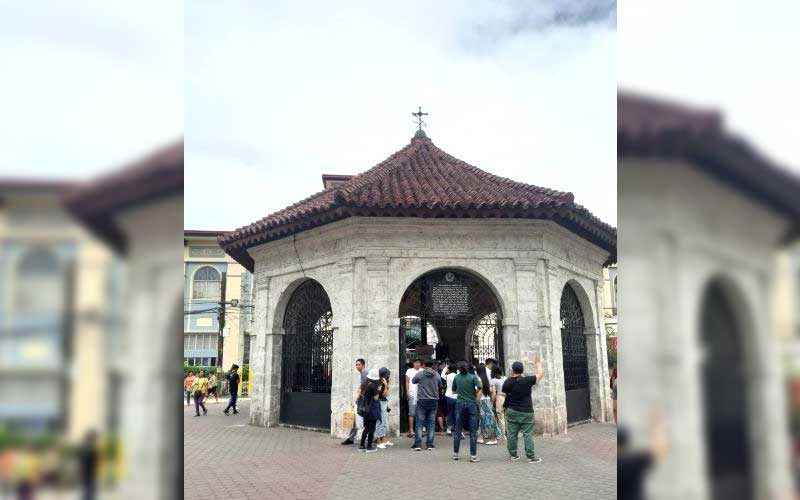
The cross you see today sits inside a stone kiosk beside the Basilica Minore del Santo Nino. It is a hollow tindalo-wood cross that protects the original. The outer cross was added in the 1830s, because devotees kept chipping away pieces of the wood, which they believed held miraculous power.

If you visit the old center of Cebu City, this small kiosk is the heart of it.

Mga Larawan

← All stories
Kasaysayan · Parian, Cebu City

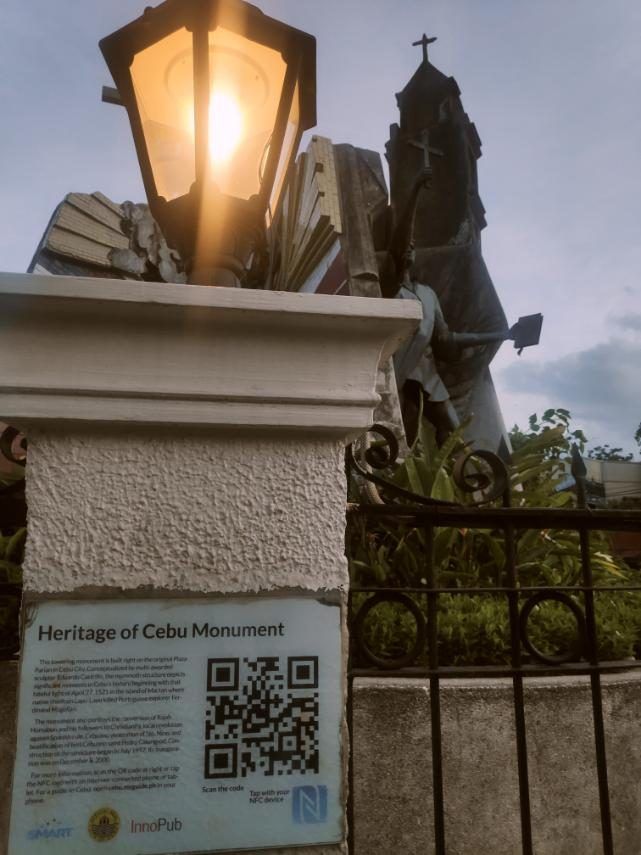
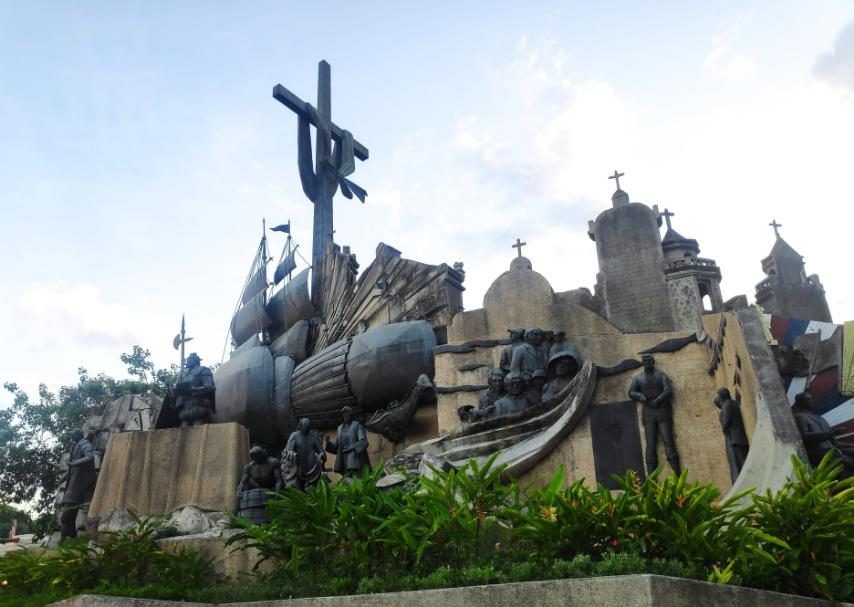
The Heritage of Cebu Monument

Cebu carries the title Queen City of the South. It is the heart of Central Visayas and the place where western civilization and Christianity first took root in the country. To honor that history, a great monument stands in the old Parian district.

The Heritage of Cebu Monument was conceived by the multi-awarded sculptor Eduardo Castrillo. Work began in July 1997, and it was inaugurated on 8 December 2000, backed by the late Senator Marcelo Fernan and private donors.

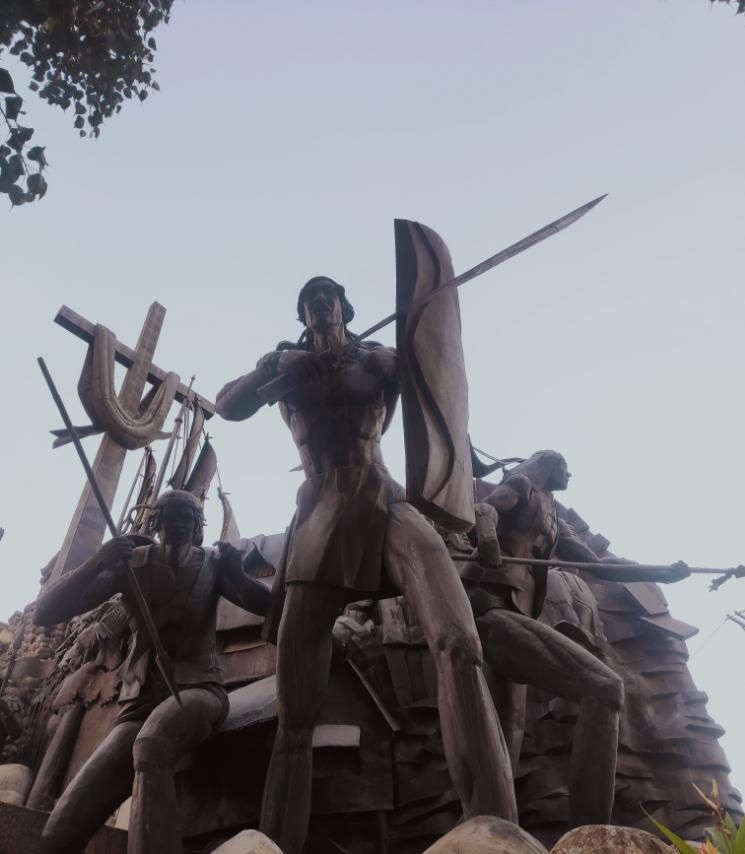
The tableau is built from concrete, bronze, brass, and steel. It shows the key moments of Cebu history: the arrival of Magellan, the Battle of Mactan, the baptism of Rajah Humabon and his people, a procession of the Santo Nino, and scenes of Spanish-era religious and civic life. Figures such as President Sergio Osmena and the old Parian church also appear.

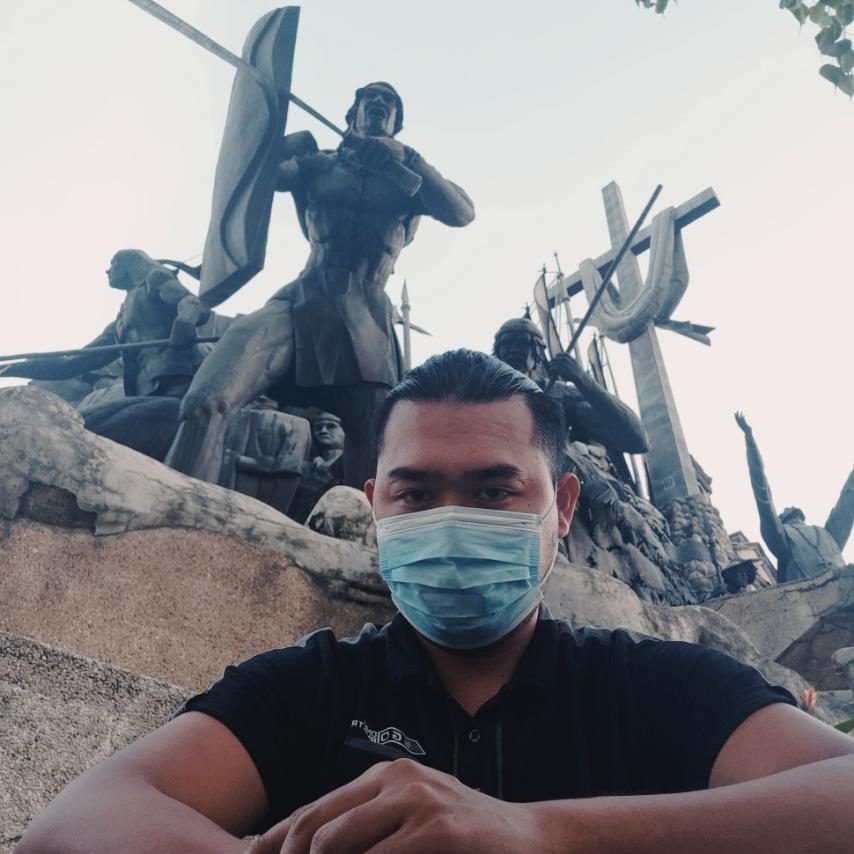
Standing on the original Plaza Parian, the monument gathers centuries of Cebuano history into one place.

Mga Larawan

← All stories
Kasaysayan · Cebu City

Cathedra: The Bishop's Throne of Cebu

A cathedra is the raised throne of a bishop. In the early Christian basilica it was the bishop's seat, the sign of his authority. The word gives us the term cathedral.

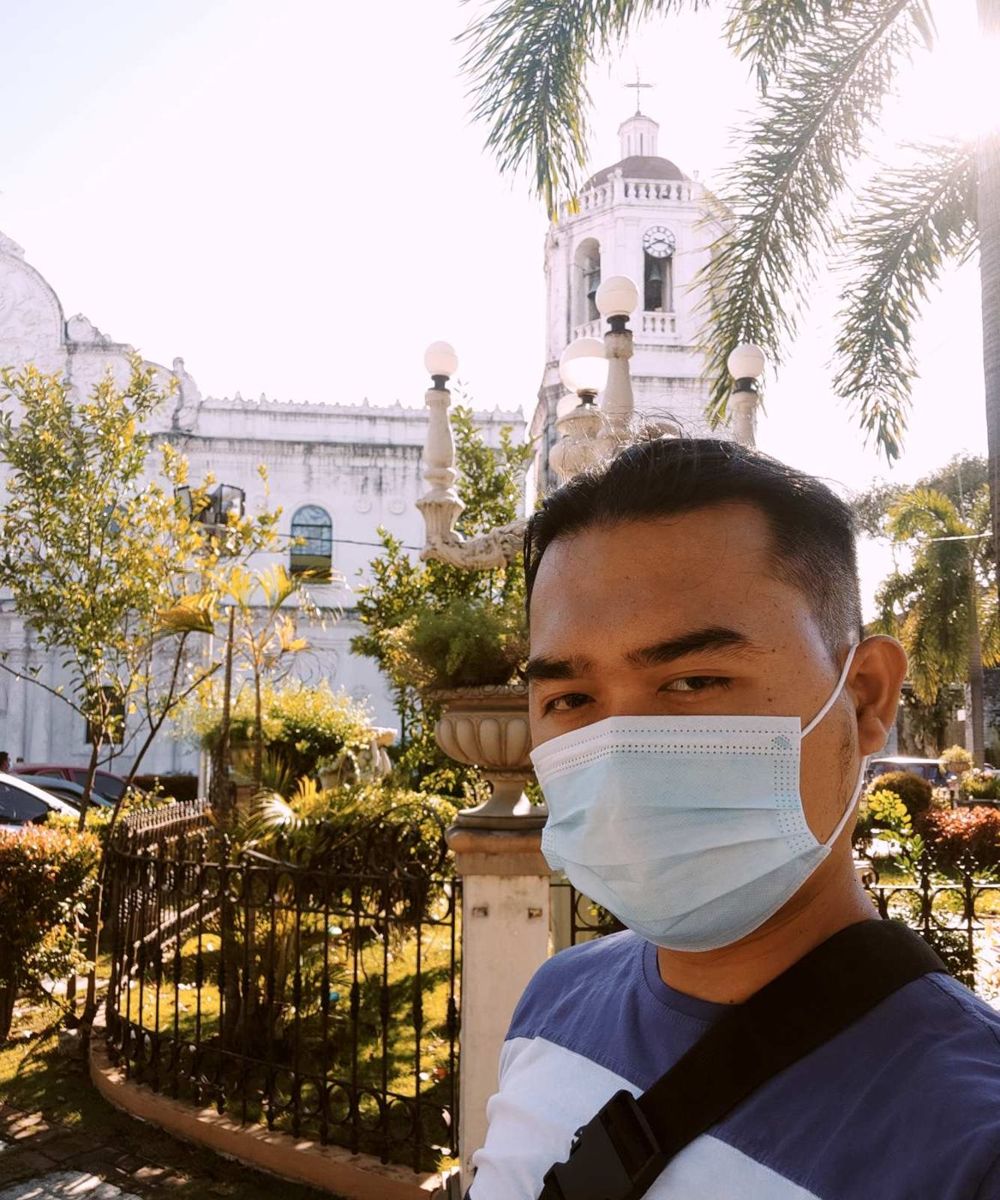
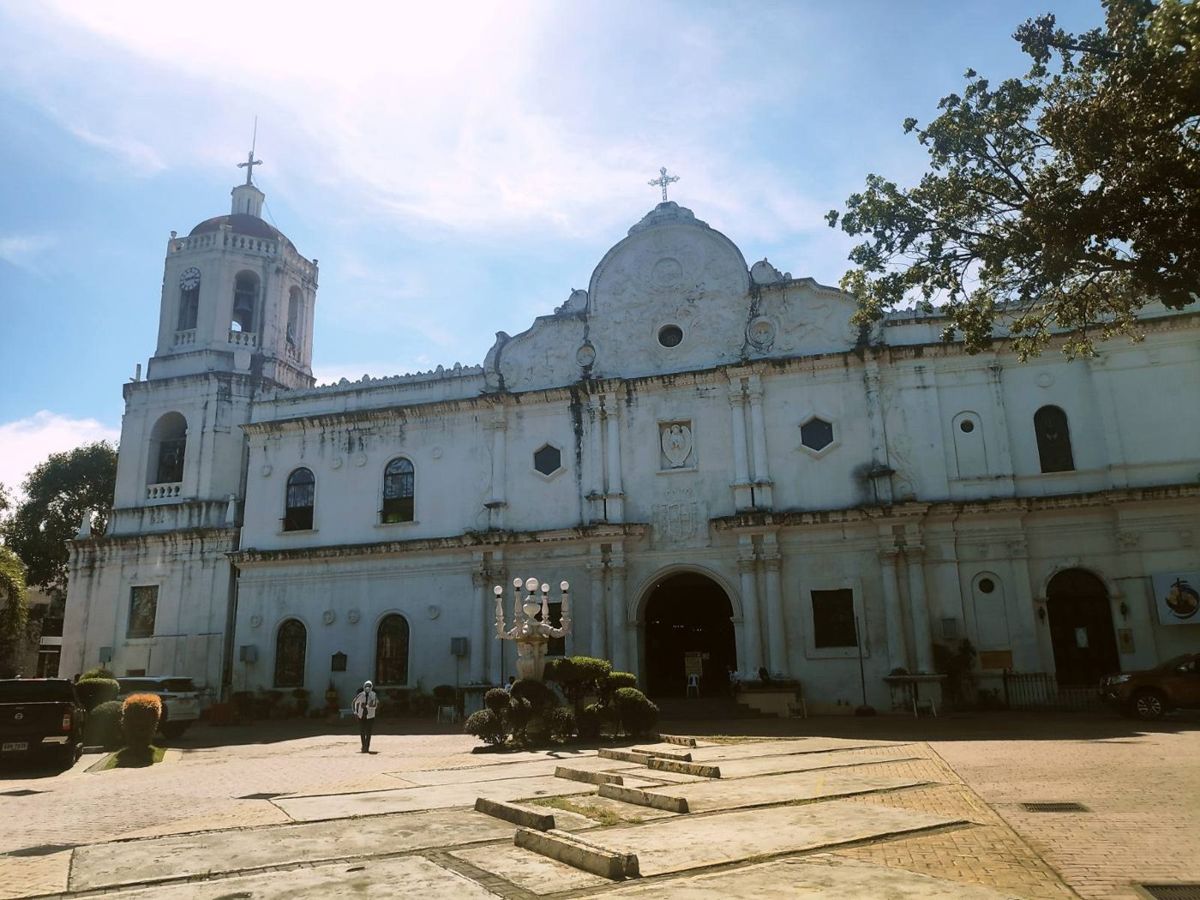
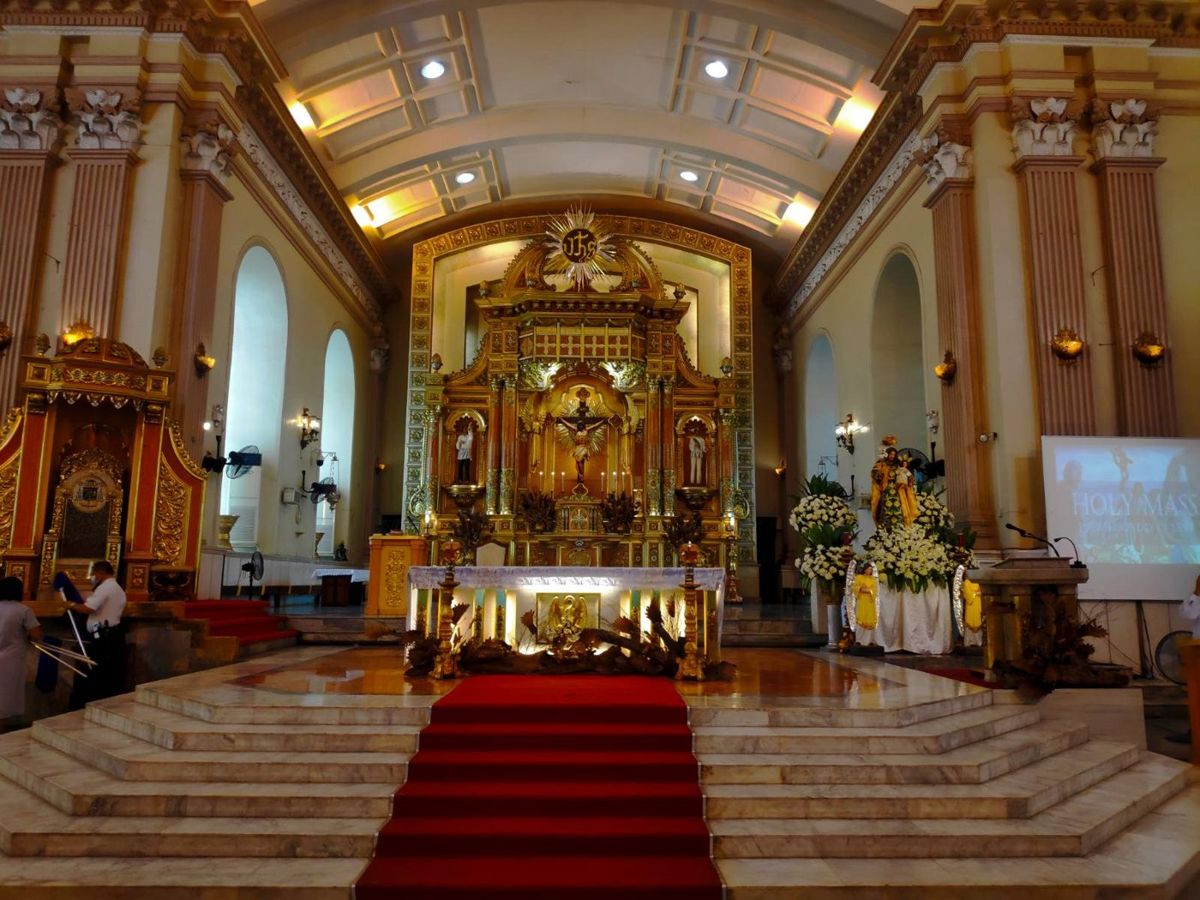
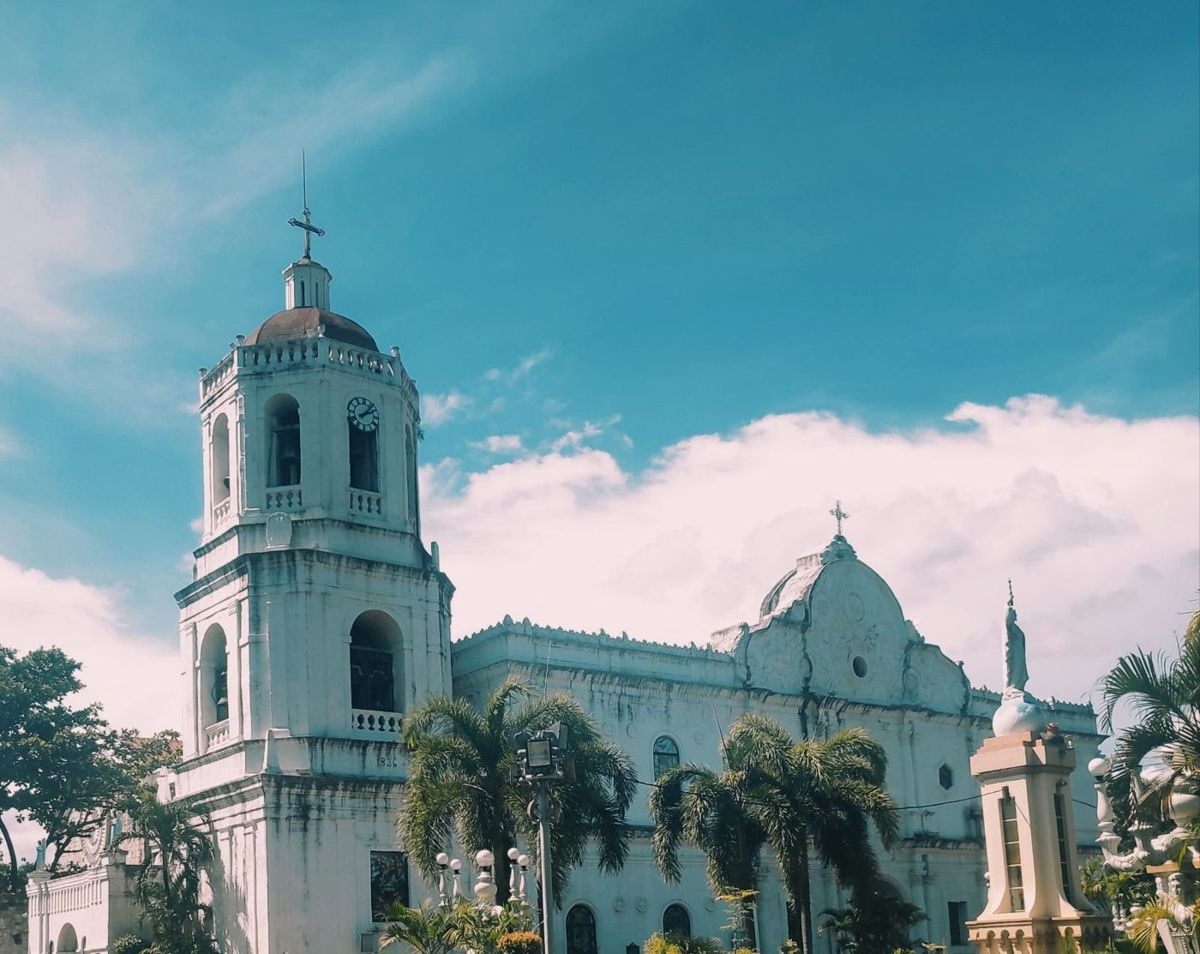
The cathedra of Cebu sits inside the Cebu Metropolitan Cathedral. This is the seat of the Metropolitan Archdiocese of Cebu, dedicated to Saint Vitalis and the Immaculate Conception.

A place of worship was first set up here in 1565, after Miguel Lopez de Legazpi arrived. One point needs to be clear. The year 1565 marks the founding of the parish, not the building you see today. The present stone cathedral was raised over the following centuries and completed only in the early 1900s, then rebuilt after damage in the Second World War. Cebu became a diocese in 1595 and a full archdiocese in 1934.

In 2021 the Philippines marked 500 Years of Christianity, counted from 1521. Cebu, where that story began, stood at the center of the celebration.

Mga Larawan

← All stories
Kasaysayan · Cebu City

Colon Street: The Oldest Street

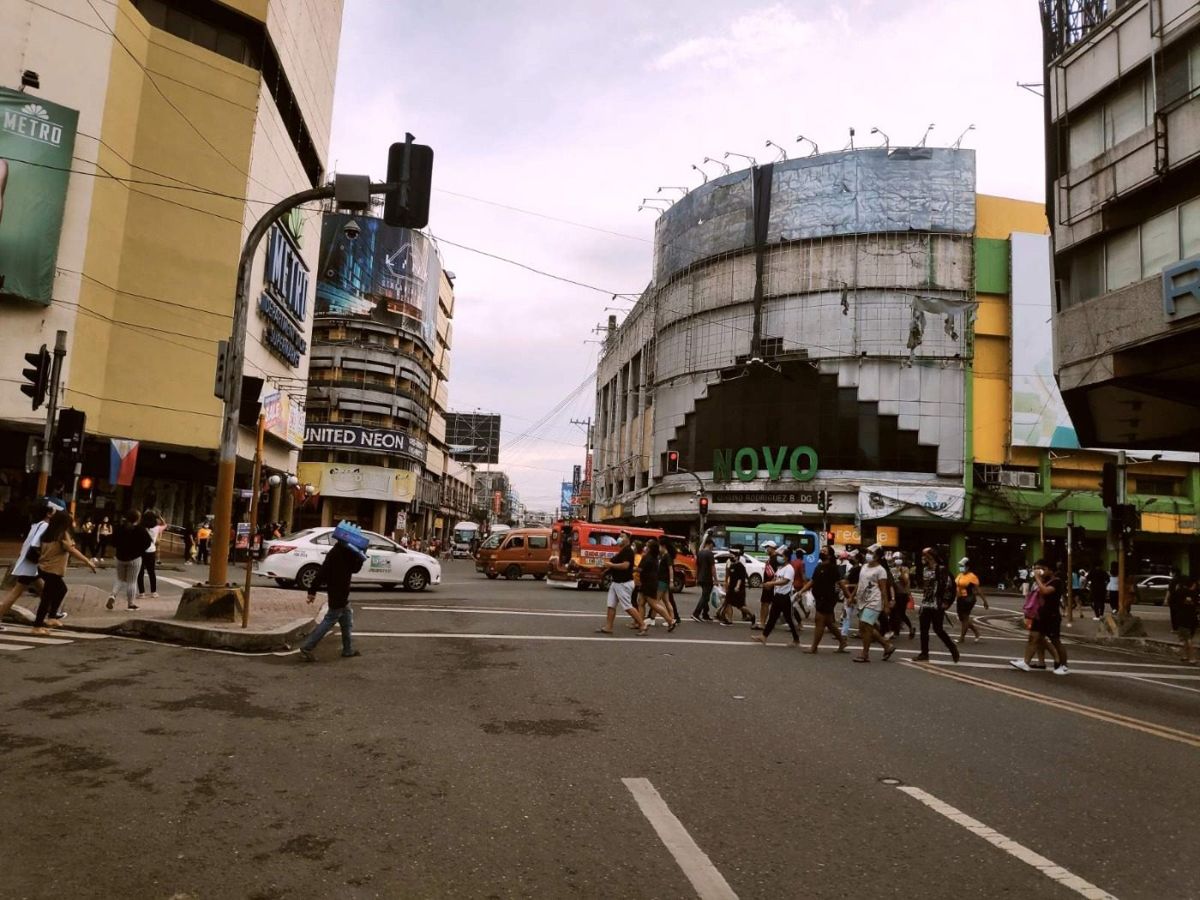
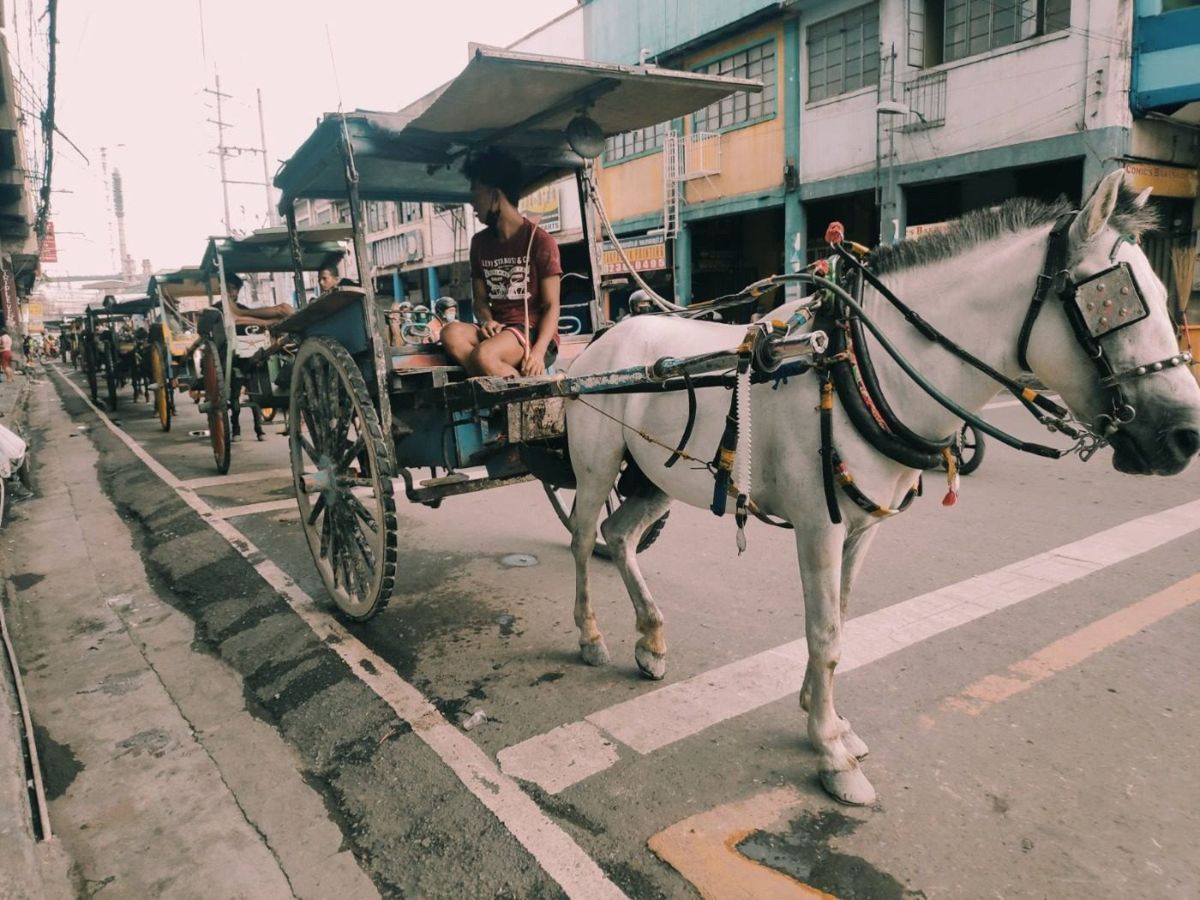
There is a proverb, all roads lead to Rome. In Cebu City people say, all jeepneys lead to Colon. No matter which jeepney you ride, it will bring you to Colon or somewhere near it.

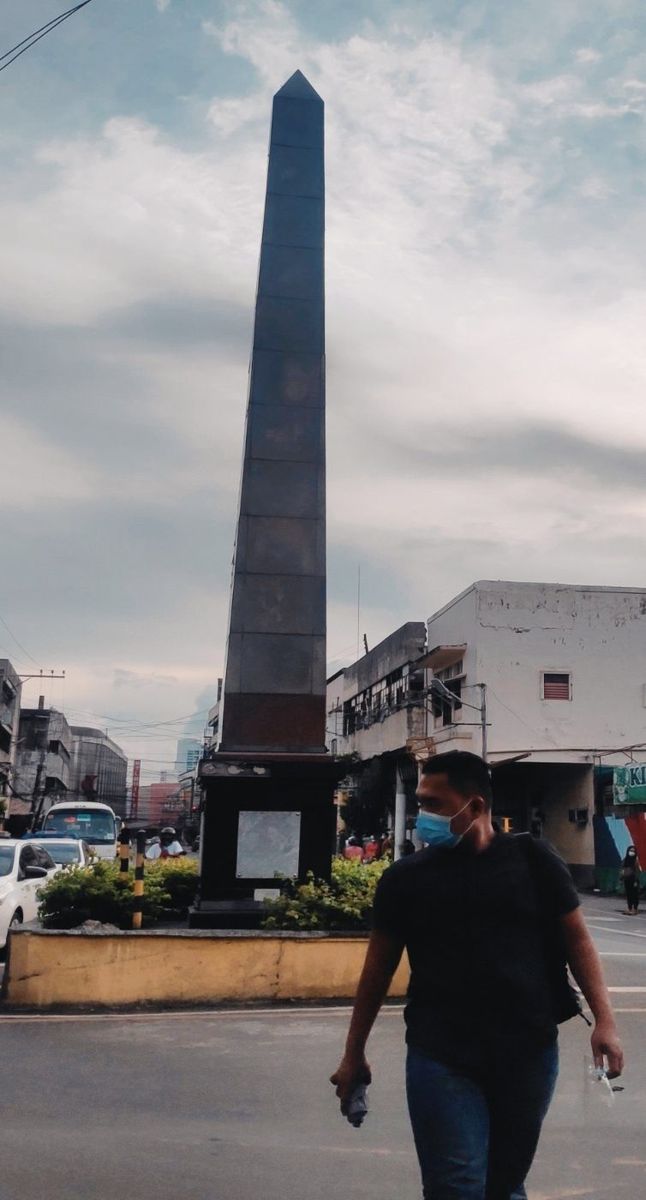
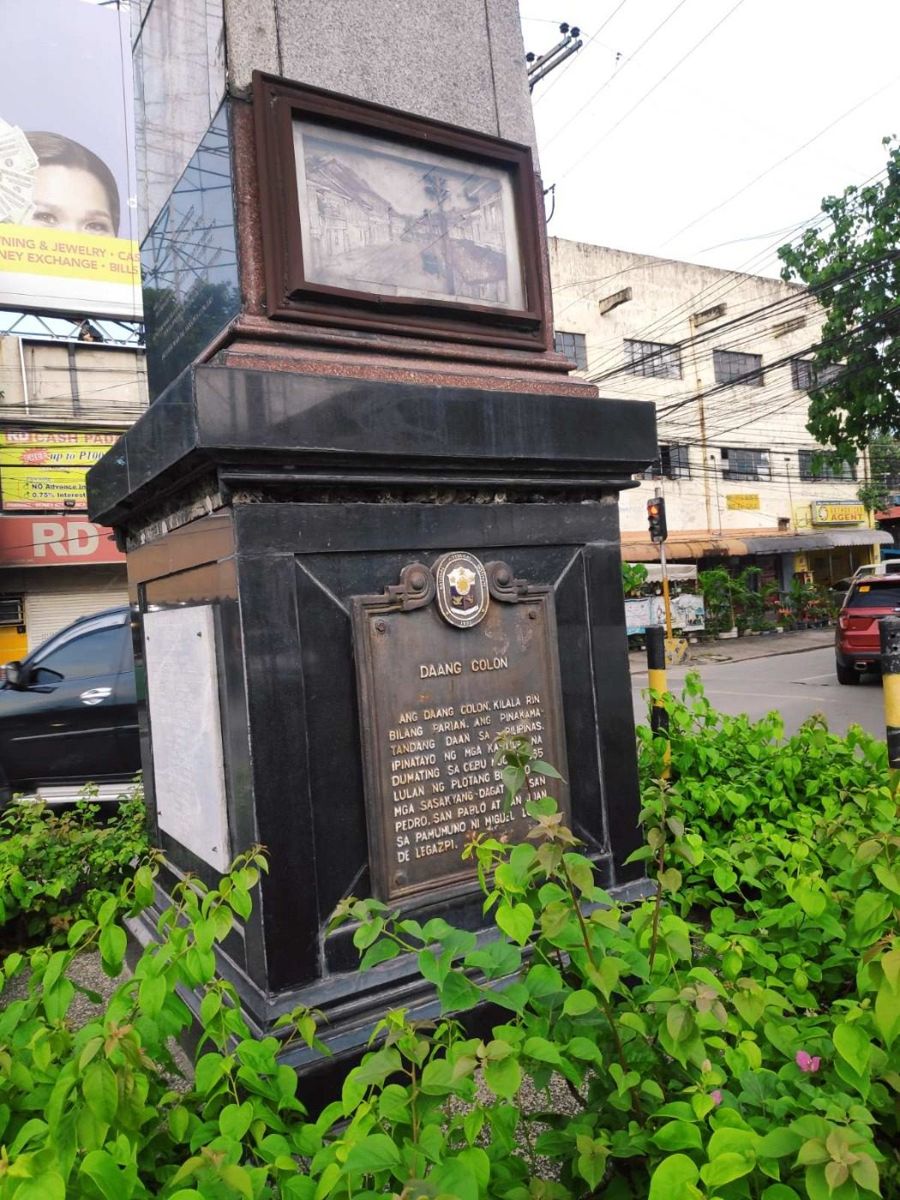
Colon Street is marked as the oldest street in the Philippines. By tradition it is credited to the Spaniards who came with Legazpi in 1565, and it was named after Cristobal Colon, the Spanish name for Christopher Columbus. One thing should be said plainly. The oldest street claim is disputed, and some historians question whether it truly predates other Spanish-era streets. Still, an obelisk at its northern end carries a marker from the National Historical Commission proclaiming it the oldest, in English, Filipino, and Cebuano.

The northern end of Colon meets Parian, once the district of wealthy Chinese-Filipino merchants. The street has seen better days, with crowding and petty crime, yet it remains a National Historical Landmark woven into centuries of Cebuano life.

A tip for visitors. Make Colon your landmark. If you ever feel lost in the old city, find your way back to Colon, because all jeepneys lead there.

Mga Larawan

← All stories
Kasaysayan · Cebu City

Plaza Sugbu

Plaza Sugbu is the public square at the very heart of old Cebu City. It links the Cebu City Hall with the kiosk of Magellan's Cross, right beside the Basilica del Santo Nino.

The plaza was shaped in its present form in 2008, part of a project to clean up and beautify the historic downtown. It once carried the name Plaza Rizal. You may see the name written as Plaza Sugbo or Plaza Sugbu. Both are used.

Small as it is, the plaza sits where the whole story of Cebu comes together. Within a few steps stand the cross, the basilica, and the seat of city government. To cross Plaza Sugbu is to walk through the founding ground of the city.

Mga Larawan

← All stories
Lugar · Santa Fe, Bantayan

Bantayan Island

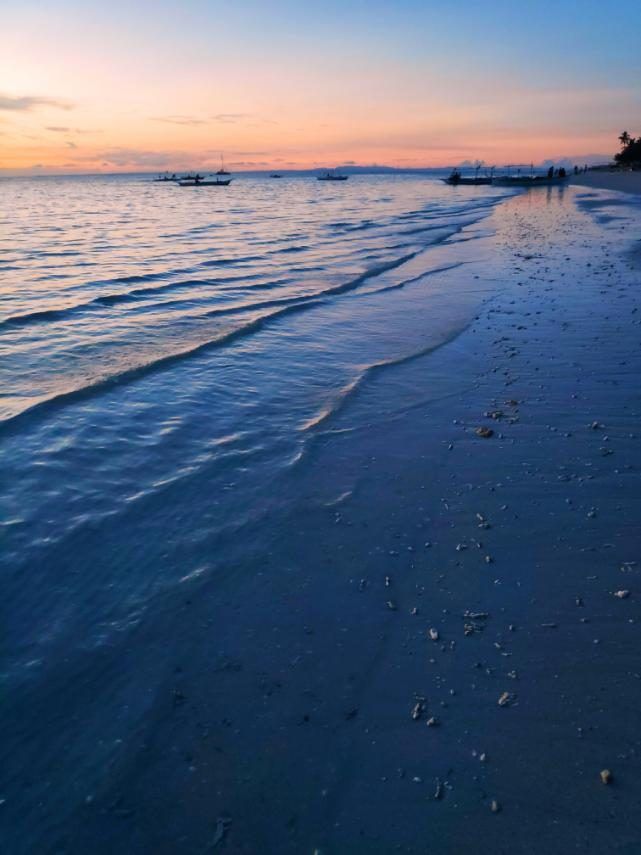
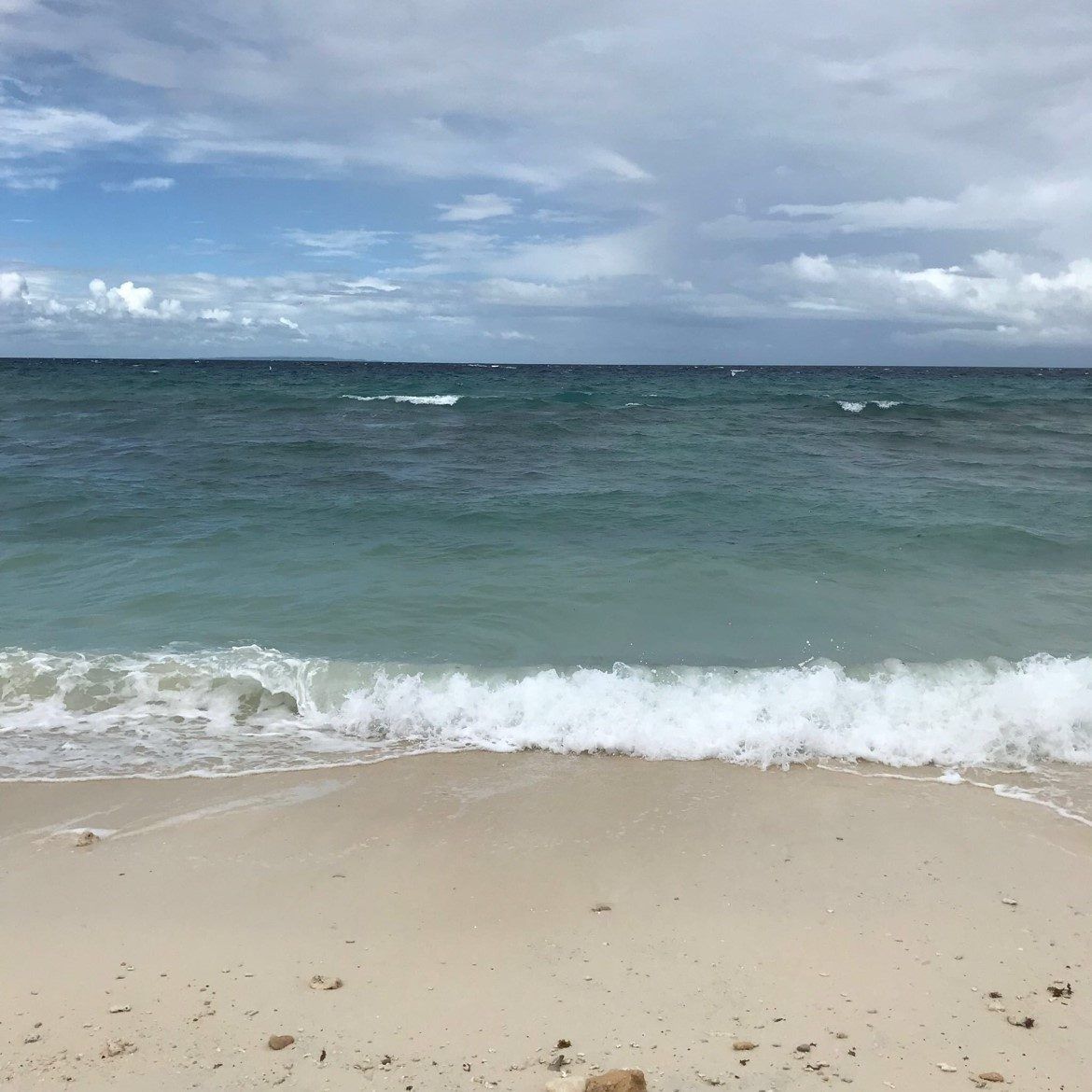
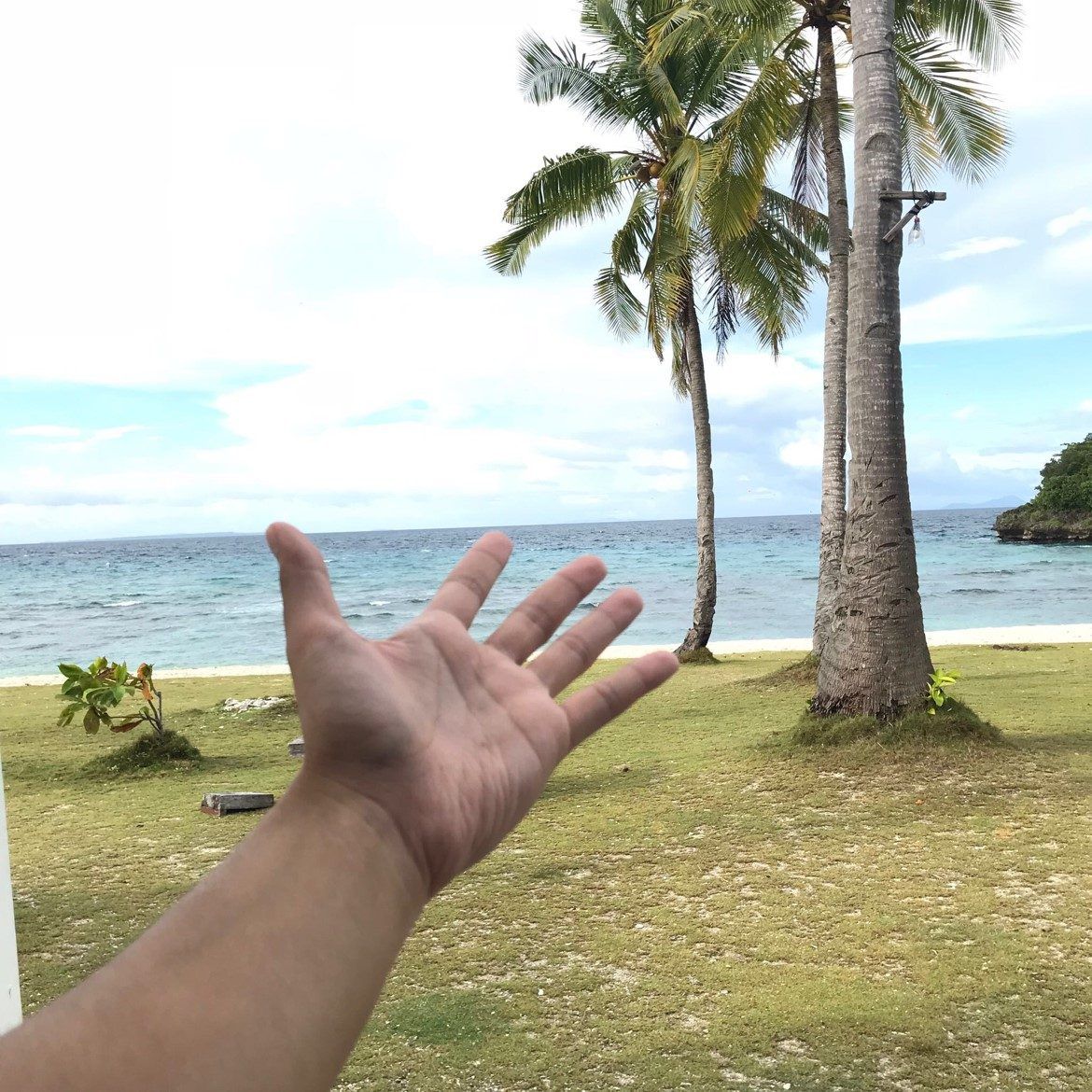
A warm welcome to the beautiful Bantayan Island, in Santa Fe, northern Cebu.

I first traveled to Bantayan in 2021, to rest and to enjoy the natural beauty here. It remains one of the best beaches in the Philippines.

Work can drain the life out of us. Deadlines, hard clients, traffic, and the noise of the city all pile up. Sometimes you need to stop and breathe before the stress wins. Bantayan is the place for that.

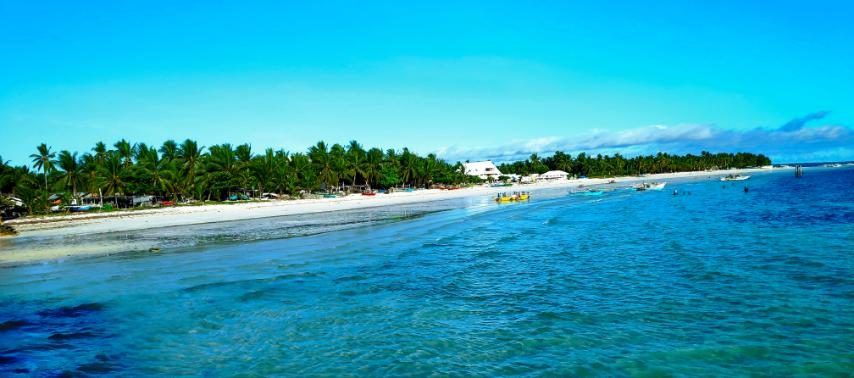
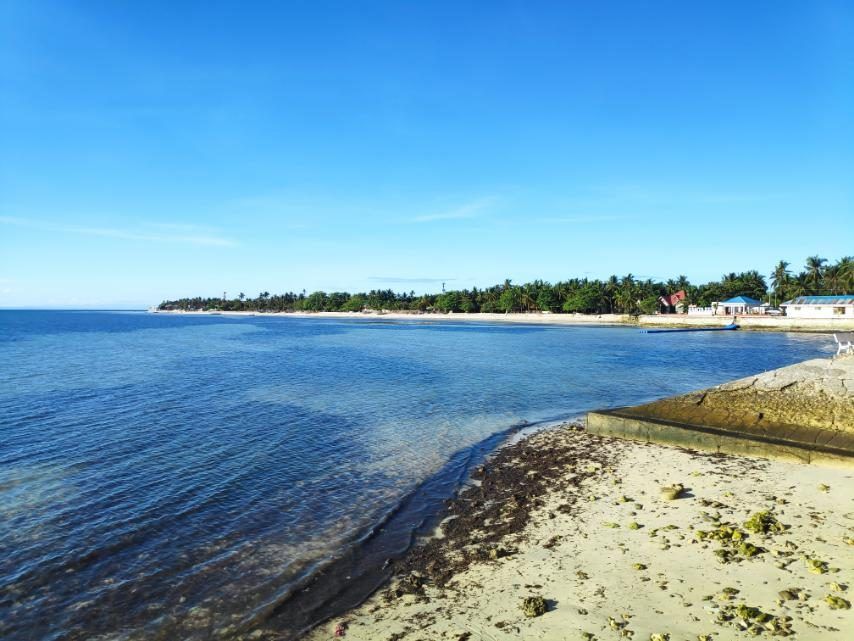
The island is known for its powdery white sand, its sandbars, and its calm, clear water. The view alone is enough to melt the tension you carry. Bantayan sits in the north of Cebu and is shared by three towns: Santa Fe in the south, with the best beaches, Bantayan town in the center, with its old church, and Madridejos in the north, a fishing village.
Getting there takes a little planning. From Cebu City, ride a bus for about three to four hours to Hagnaya Port in San Remigio. From Hagnaya, take the ferry to Santa Fe, which is around one to one and a half hours. Check the schedule before you go.

Relax, refresh, recharge. Bantayan gives you the room to do all three.

Mga Larawan

← All stories
Lugar · Oslob

Swimming with the Gentle Giants of Oslob

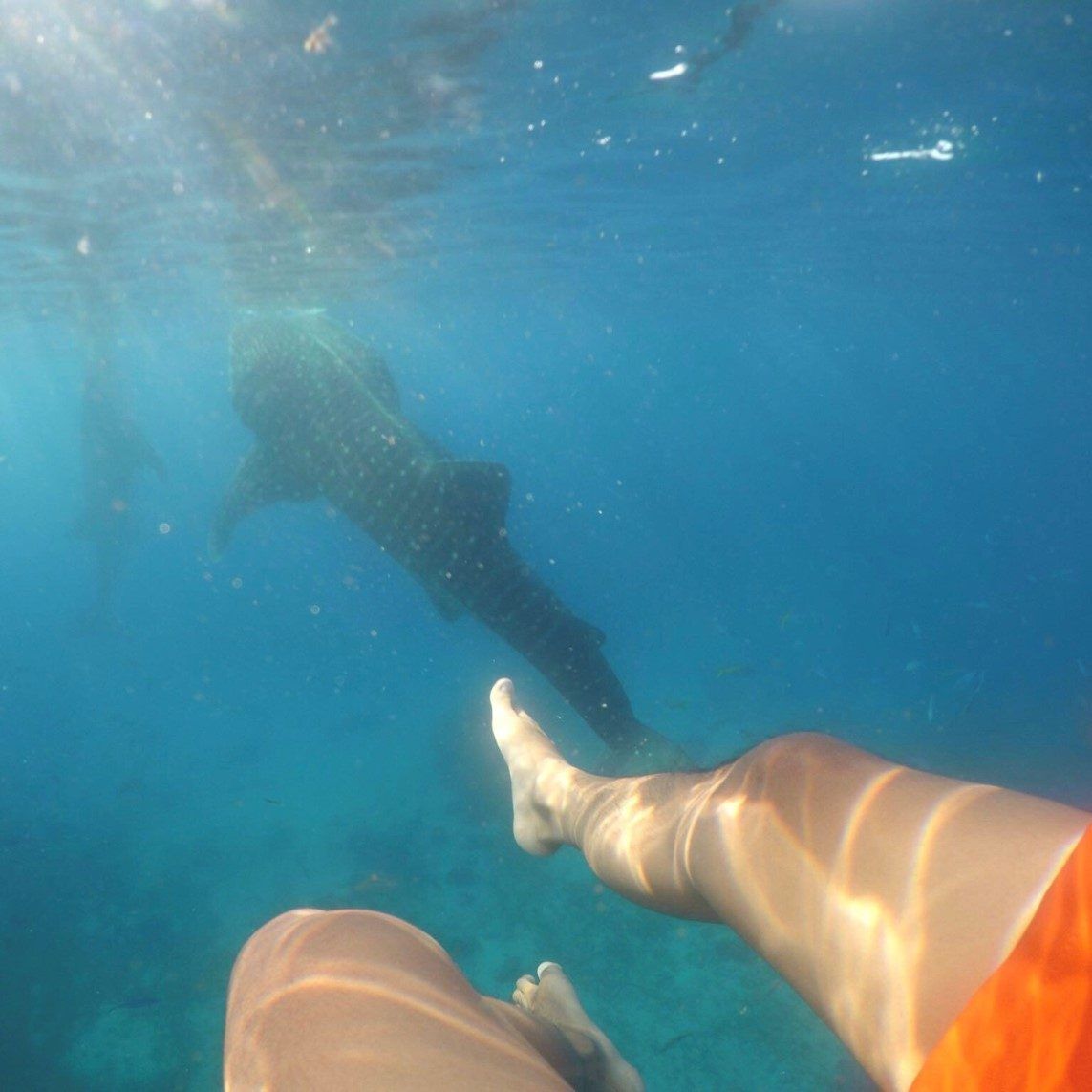
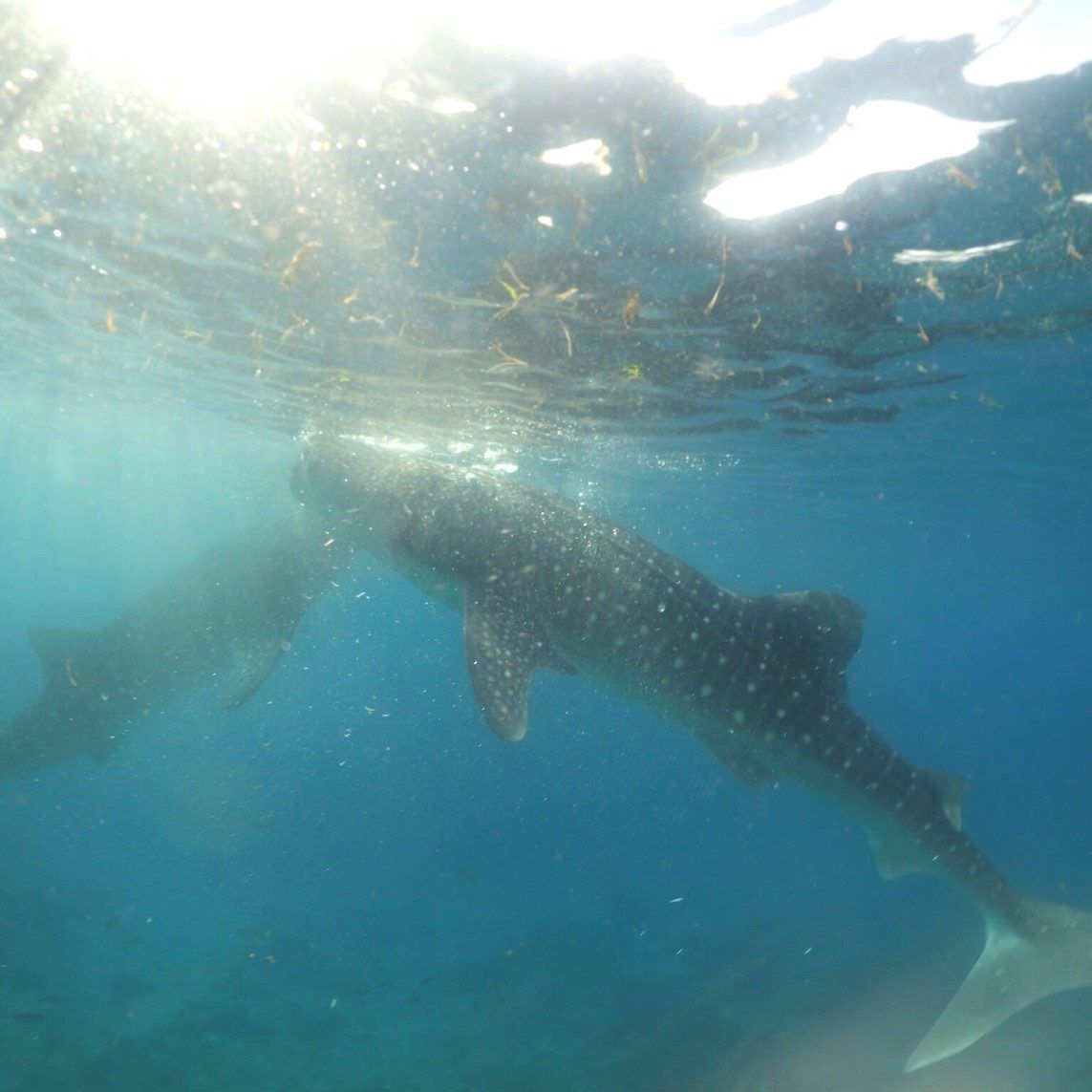
Your Cebu trip is not complete until you have swum beside a butanding, the whale shark, even if the gentle giant turns its back on you.

Come early. Leave before dawn to beat the traffic and reach Tan-awan in Oslob while the crowd is small. Arrive after six in the morning and the lines are already long. The orientation begins early, and groups are sent out in batches.

Follow the rules in the water. Keep your distance from the whale sharks and stay near the boat. Sometimes a butanding drifts close on its own, and that is enough to take your breath away.
One honest note. The Oslob activity is popular but controversial. Since around 2011, local operators have hand-fed the whale sharks with small shrimp to keep them near the shore every day. Marine scientists warn that this changes the natural behavior and migration of the animals, teaches them to link boats with food, and raises the risk of injury. It is worth knowing this before you decide to join.

Cebu is full of adventures. Daghang salamat, many thanks.

Mga Larawan

← All stories
Lugar · Badian

Kawasan Falls Canyoneering

Maayong adlaw from Cebu, good day to you.

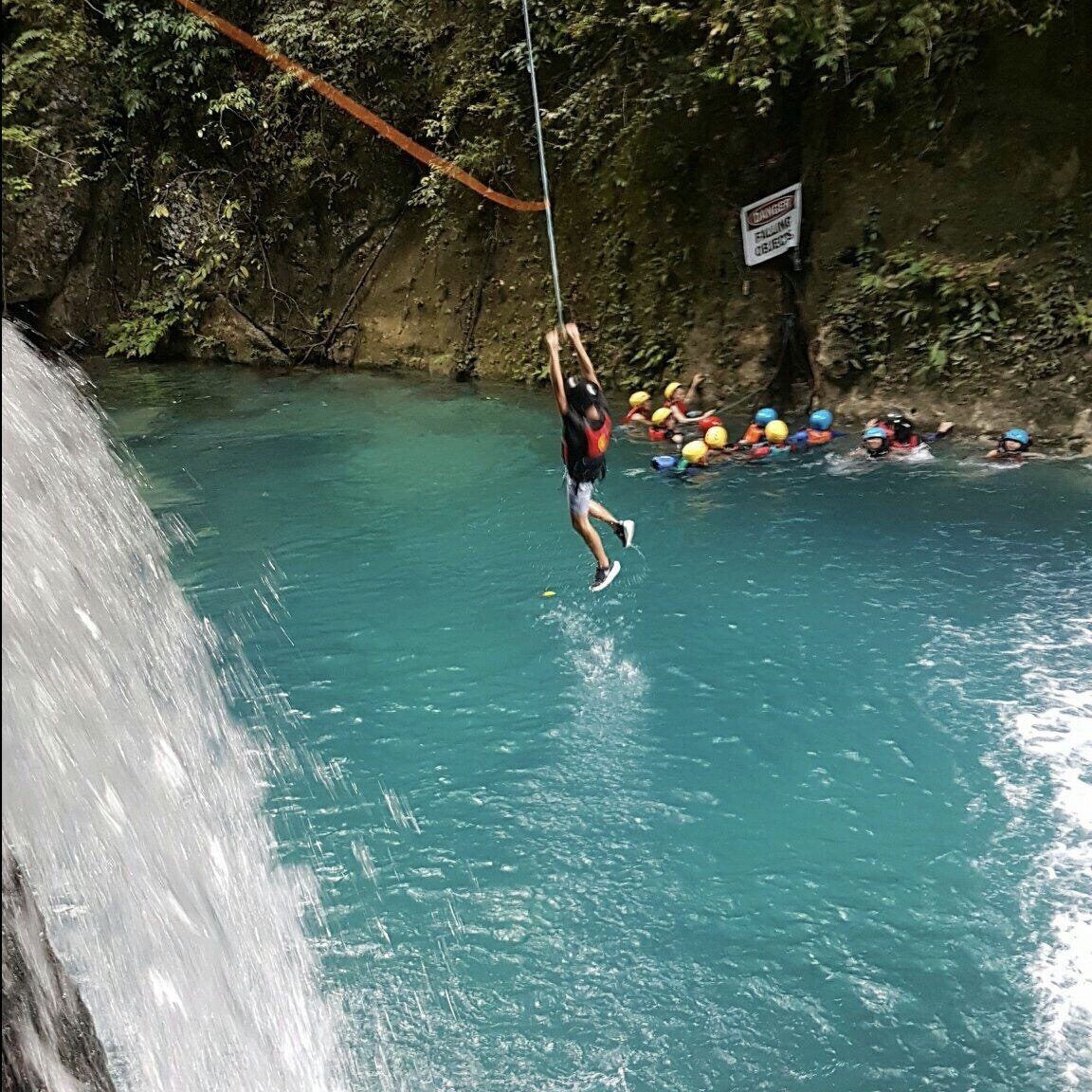
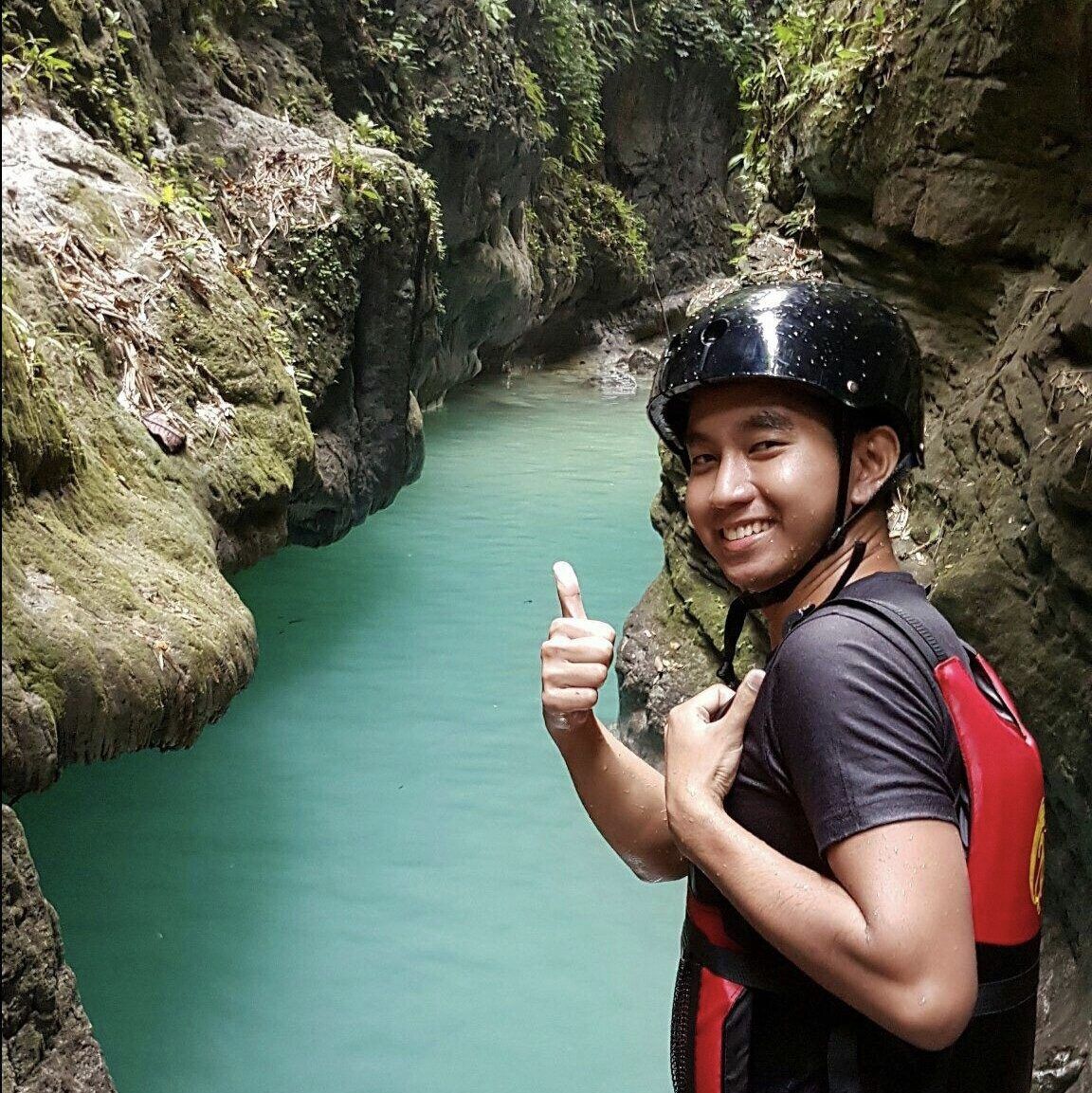
Canyoneering was the most extreme thing I did in the Queen City of the South, and the highlight of my whole trip. It is wild, but it is fun.

The route runs through the mountains. It usually starts upstream in Alegria, along the Kanlaob River, and ends downstream at Kawasan Falls in Badian. Along the way you hike, swim, raft, climb, and leap from ledges into deep pools. Some of the jumps are high, so you need courage.

Kawasan itself is a set of turquoise waterfalls fed by mineral springs, tucked into a green gorge about two and a half hours from the city. The color of the water alone is worth the trip.

What you need most is nerve. Bring it, and you will enjoy every minute.

Mga Larawan

← All stories
Lugar · Daanbantayan

Carnaza Island: A Hidden Paradise

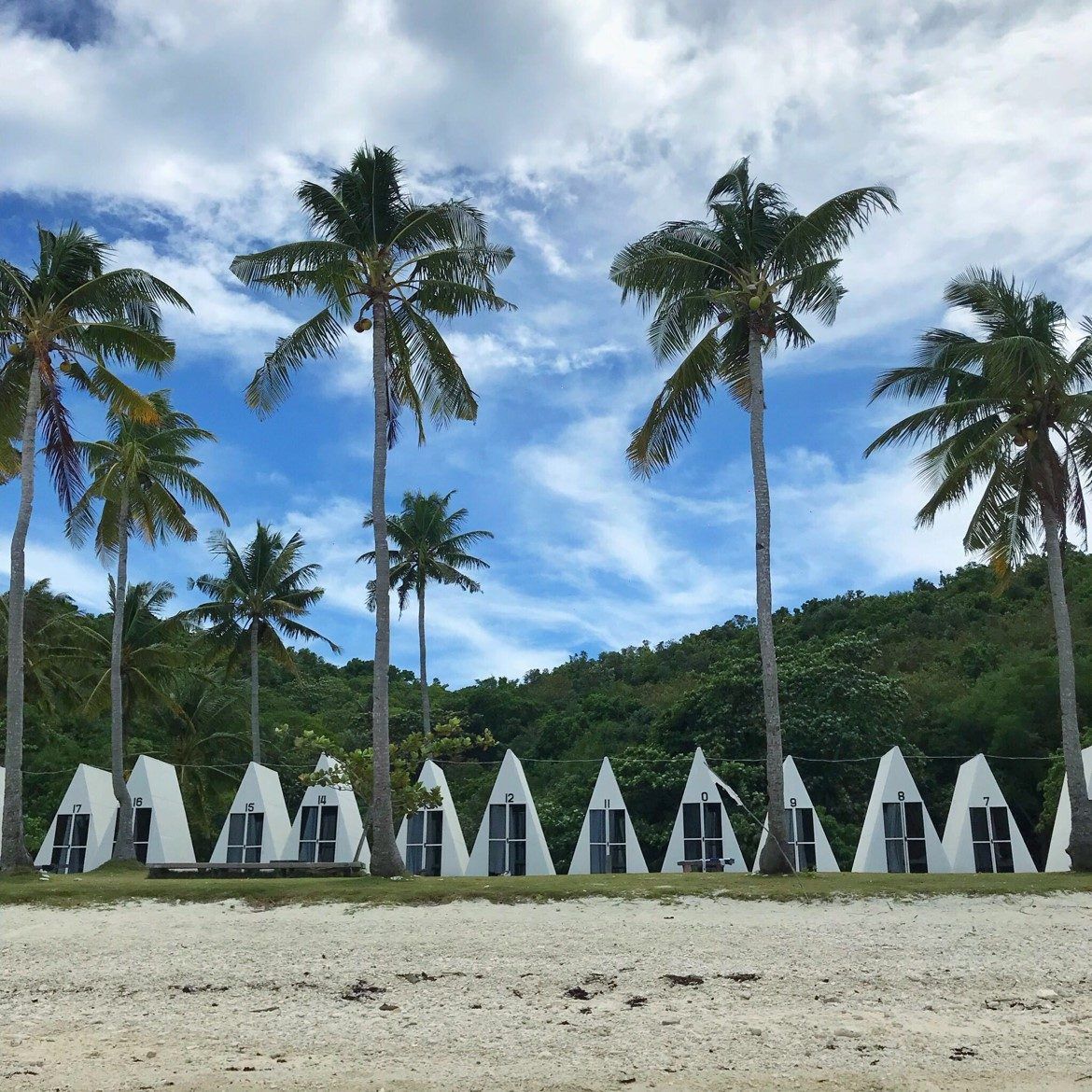
If you still dream of a perfect getaway, head to Carnaza Island in Daanbantayan, at the far north of Cebu. This is the place to disconnect from the internet and escape the noise of the city.

Come prepared. Carnaza has long had only limited power, usually from about seven in the morning to ten at night, so bring a flashlight and a power bank. Mobile signal is weak, which is part of the point. The island runs largely on solar power and fishing, though wider electrification is now on the way.

At night, under a clear sky, you can lie on the fine white sand, watch the stars, and listen to the waves. It is a simple reminder of how blessed we are to witness such beauty.

Enjoy kaayo, gyud, truly enjoy it.

Mga Larawan

← All stories
Lugar · Busay, Cebu City

The Temple of Leah

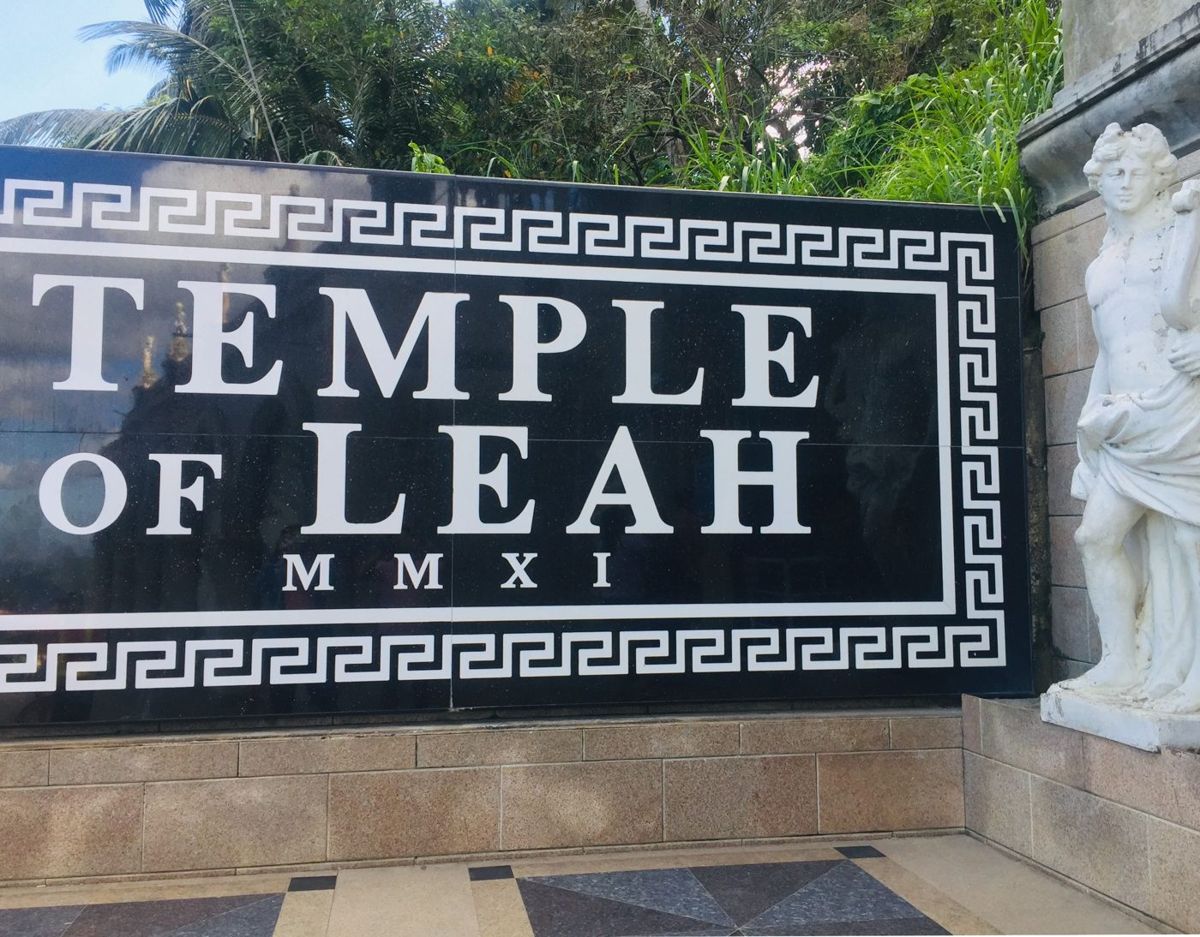
Cebu holds many places worth seeing, and the Temple of Leah is one of them. The first time I visited, I felt goosebumps. A dream come true.

The temple stands on a hill in Barangay Busay, above Cebu City. It was built by the businessman and engineer Teodorico Adarna as a tribute to his wife of fifty-four years, Leah Villa Albino-Adarna. Grand columns, stone lions, and a tall statue of Leah give it the look of a Roman temple. People call it the Taj Mahal of Cebu, a monument of love. Construction began around 2012, and it opened to the public in 2015.

When you see the temple and feel the cool mountain air, you understand the feeling behind it. This is the love of Teodorico for Leah, built in stone for everyone to see.

Mga Larawan

← All stories
Pagkain · Taboan, Cebu City

Danggit and the Taboan Market

When we travel, we do not only enjoy the sights. We enjoy the food and the pasalubong, the gifts we bring home. In Cebu, one of the best reasons to visit is danggit.

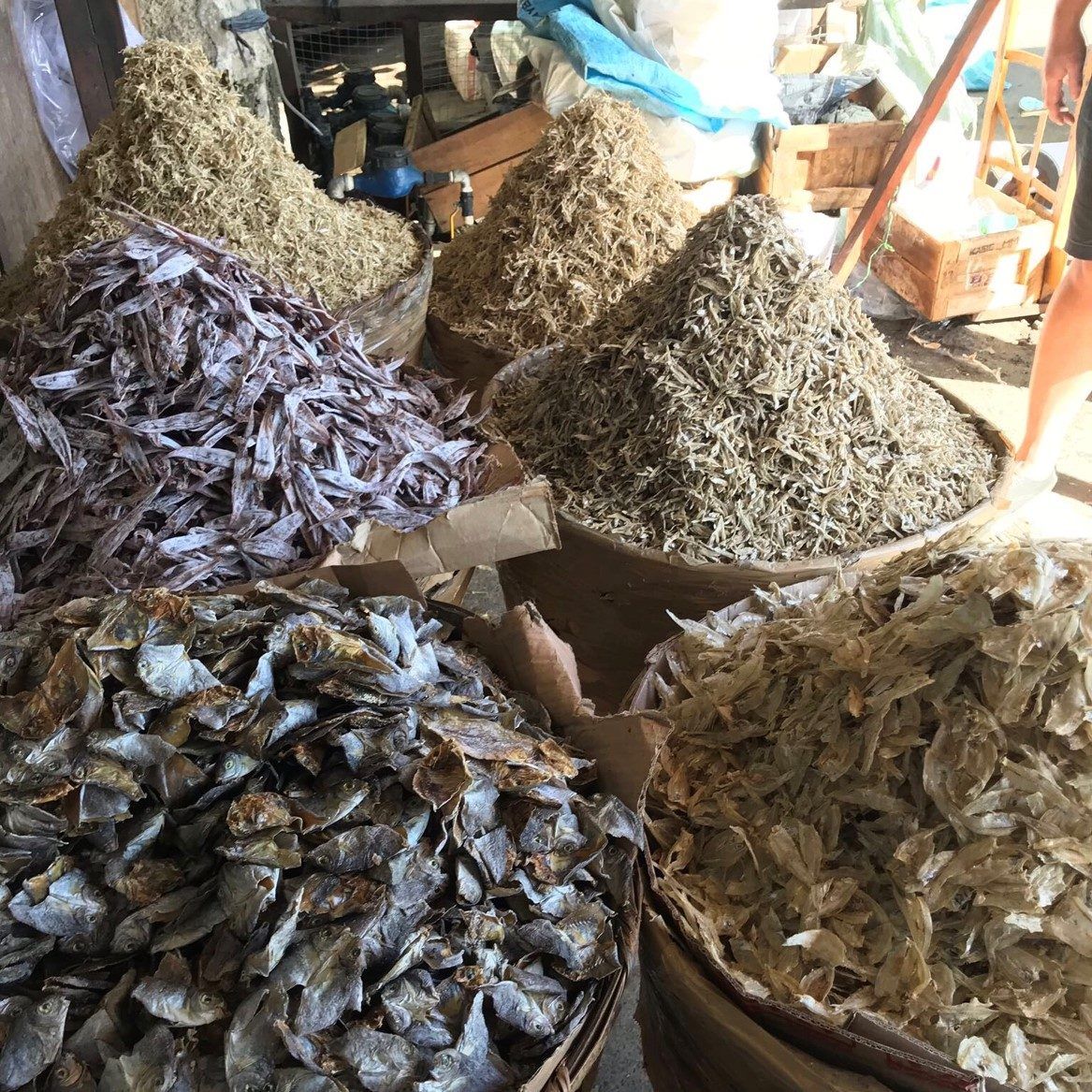
Danggit is dried, salted rabbitfish, split flat and sun-dried. It is a classic Cebuano breakfast, served crisp with rice and vinegar. You can buy dried fish in many parts of Cebu, but locals point you to the Taboan Public Market. It can be hard to find if you do not know the city, but you will know you are close once you catch the smell of the fish.
At Taboan you can buy danggit, pusit, which is dried squid, fish tocino, and much more. Prices have climbed with demand, starting around 800 pesos a kilo. The famous dried mangoes and the crisp otap biscuits are sold here too, ready as pasalubong.

Lami kaayo, very delicious.

Mga Larawan