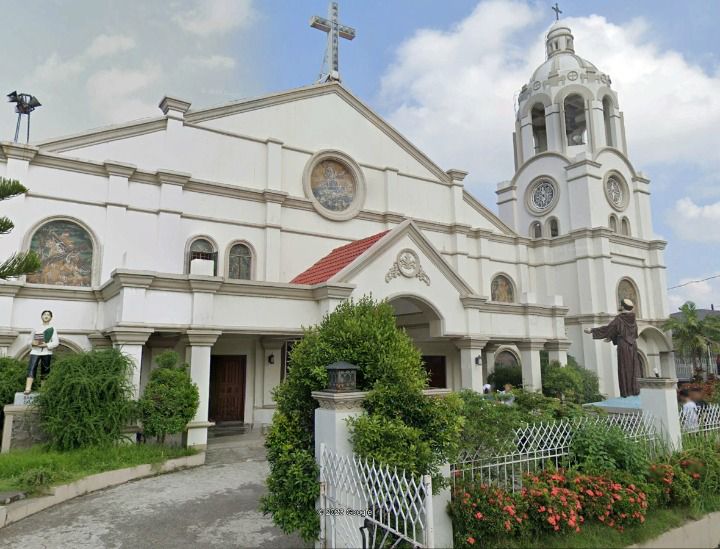
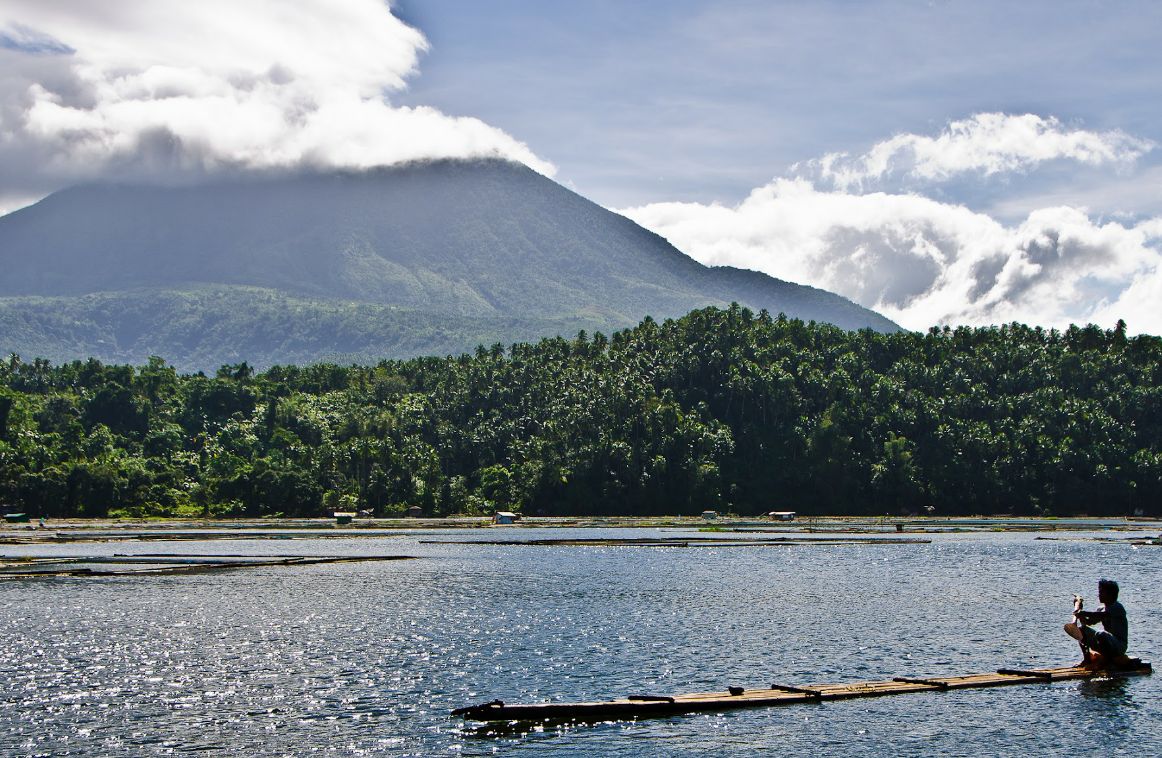
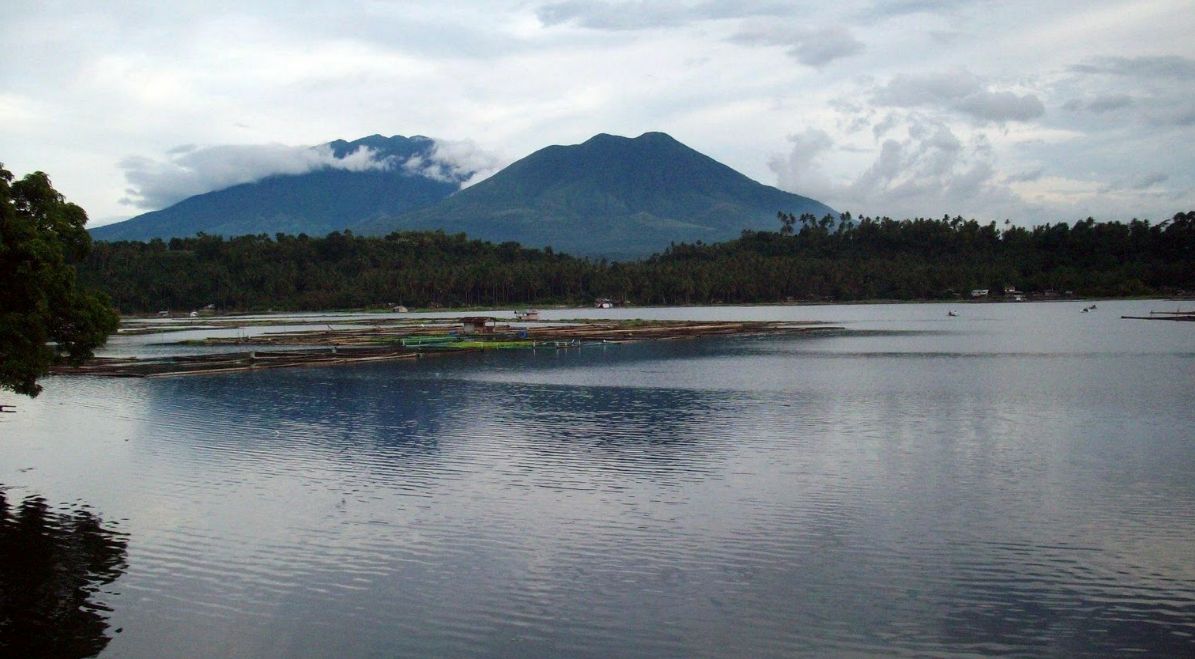
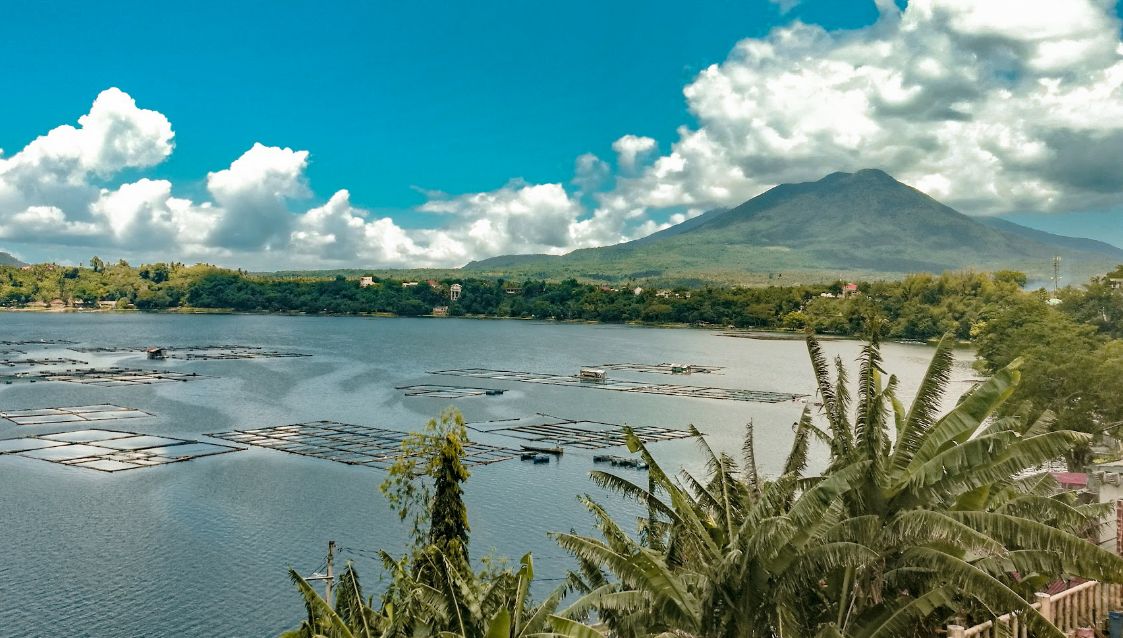
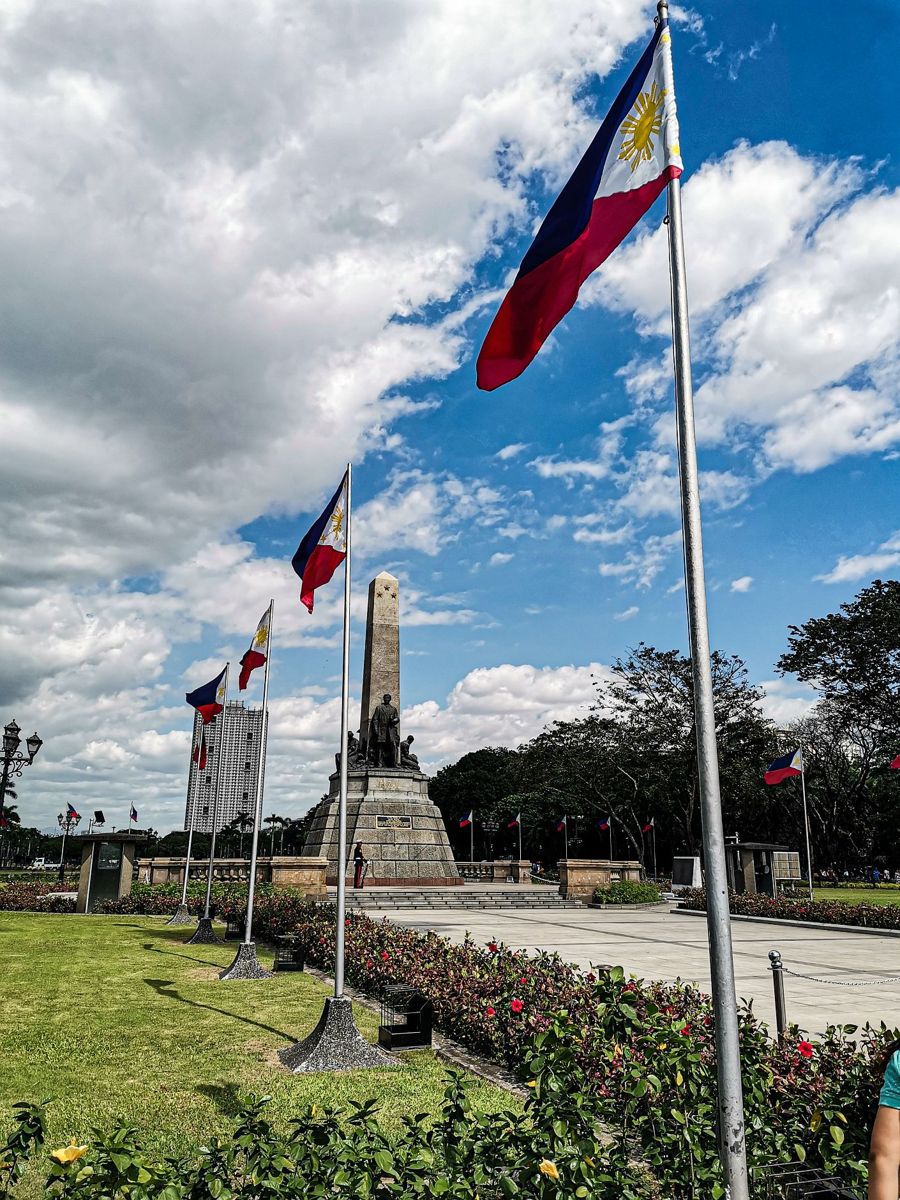
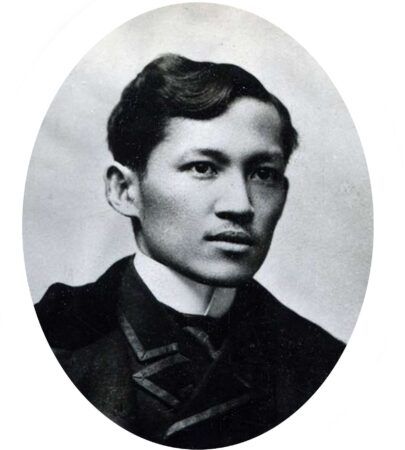
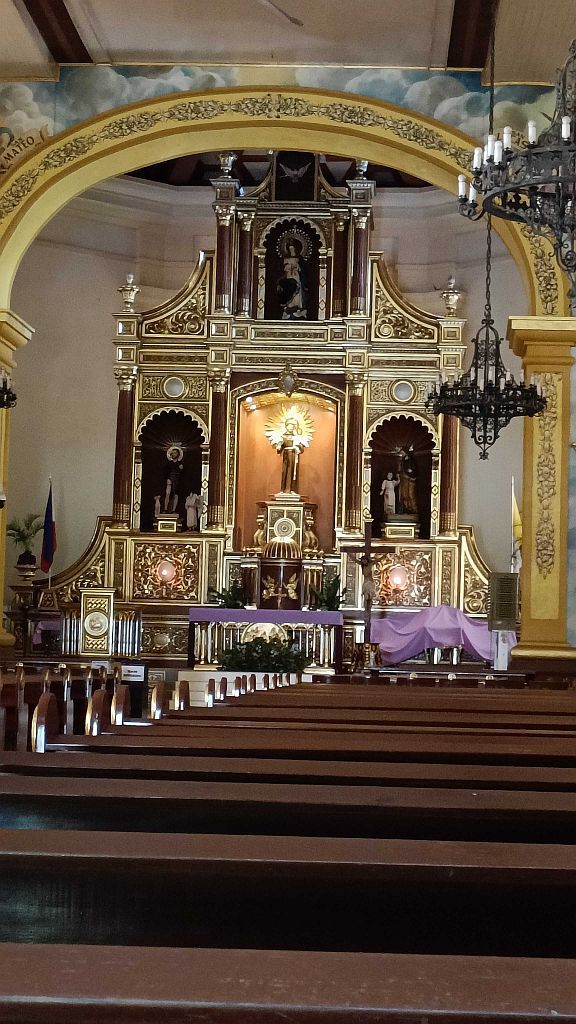
Laguna wraps around the southern and eastern shores of Laguna de Bay — the largest lake in the Philippines — and extends south into the foothills of Mount Banahaw. It is a province that has produced a disproportionate share of Philippine history: Jose Rizal was born here, the first Philippine newspaper was printed here, and the oldest document ever found in the Philippines — the Laguna Copperplate Inscription of 900 CE — was discovered in the Laguna River.
Santa Cruz serves as the provincial capital, but the province's character is defined less by its administrative center than by the cluster of towns surrounding the lake — Los Baños, Calamba, Pagsanjan, Alaminos — each with its own distinct identity and claim to significance.
Laguna de Bay — 'Lake of Bay' — is the largest lake in the Philippines at 900 square kilometers. Despite its size, it averages only 2.8 meters in depth, making it one of the shallowest large lakes in the world. It provides water, fish, and livelihood to the communities along its shores and is a major source of freshwater fish for Metro Manila.
Laguna is also known for its hot springs — Los Baños and Pansol are among the most popular hot spring resort areas accessible from Manila — for its buko (coconut) pie, which has become a national culinary institution, and for the scenic Pagsanjan Falls in the mountain interior.