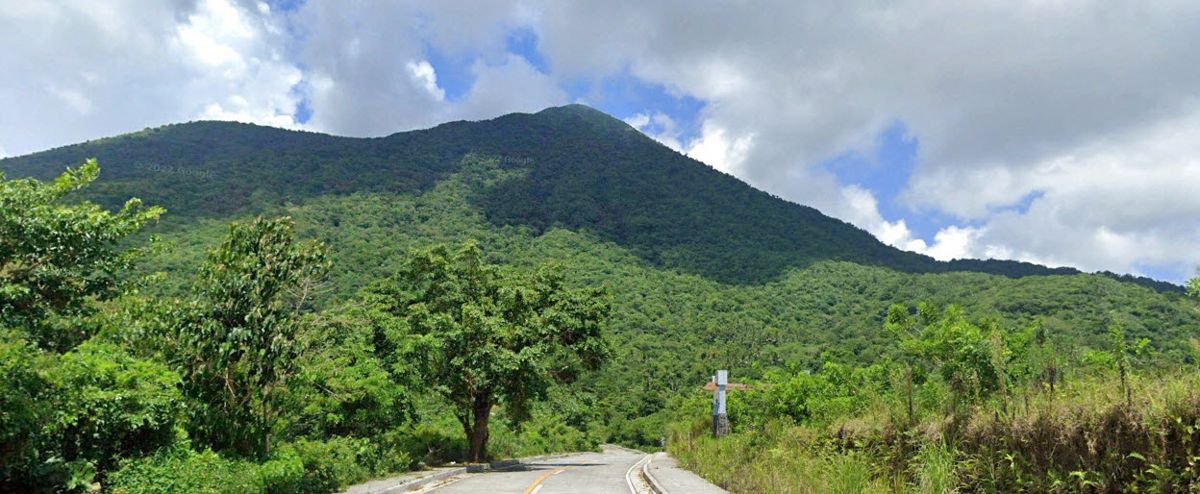
Quezon is one of the largest provinces in Luzon, stretching from the southern edge of Laguna province to the Bondoc Peninsula in the south and along the Sierra Madre range facing the Pacific. It is named after Manuel L. Quezon, the first President of the Philippine Commonwealth. The province produces more coconuts than any other in the Philippines, a distinction that has shaped its landscape—endless rows of coconut palms visible from any road through the lowlands.
Lucena CityCapital
8,706 km²Area
39 municipalities, 1 city (Lucena)Municipalities
LuzonIsland Group
CALABARZON (IV-A)Region
Coconut Country
The coconut is not a single product in Quezon—it is copra, coconut oil, coconut milk, coco coir, vinegar, lambanog (coconut wine), and timber. The coconut economy sustained the province through the 20th century and remains central to the livelihoods of farming families. Quezon National Park in the Sierra Madre protects a forest corridor along the Pacific coast that has become a wildlife refuge for Philippine wildlife including the Philippine eagle.
★
Pahiyas Festival of LucbanThe Pahiyas Festival, held in Lucban on May 15 (feast of San Isidro Labrador), involves decorating house facades with kiping—thin, leaf-shaped wafers made from colored rice dough. The festival is one of the Philippines' most visually distinctive harvest celebrations and draws visitors from Manila and abroad.
The territory that became Quezon province was originally part of the Tagalog heartland of Luzon. The area around Lucena was known as Tayabas under the Spanish—a name the province retained until 1951 when the legislature renamed it Quezon in honor of the late president. Tayabas was the site of significant insurgent activity during the Philippine-American War and later during the Huk Rebellion.
1597Tayabas Province Established
The Spanish formally organized the province of Tayabas, incorporating the Tagalog communities of the southeastern Luzon lowlands and the Sierra Madre foothills under Dominican administration.
1899–1902Philippine-American War Resistance
The Sierra Madre mountains and the Bondoc Peninsula provided cover for Filipino guerrilla fighters who resisted American pacification long after formal military resistance ended elsewhere in Luzon.
1935Manuel Quezon Becomes Commonwealth President
Manuel L. Quezon, born in Baler (then part of this province), became the first President of the Philippine Commonwealth. The province was eventually renamed in his honor.
1951Province Renamed Quezon
The Philippine legislature renamed Tayabas province to Quezon in honor of President Manuel L. Quezon, who had died in exile in the United States in 1944.
Manuel L. Quezon
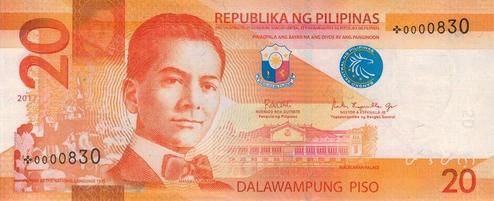
First President of the Philippine Commonwealth1878–1944Born in Baler (now Aurora province, which was separated from Quezon), Quezon led the Nacionalista Party and negotiated the Tydings-McDuffie Act that set the Philippines on the path to independence. He served as Commonwealth President from 1935 until his death in exile in the United States in 1944, having fled the Japanese occupation. He is honored on the 20-peso bill.
Quezon's culture is fundamentally Tagalog—the language, the religious calendar, the food traditions, and the social structures are those of lowland Catholic Luzon. What distinguishes the province is the depth of its rural character and the specific artisanal traditions that have developed around the coconut economy and the local food products that Quezon exports to Manila.
Crafts and Festivals
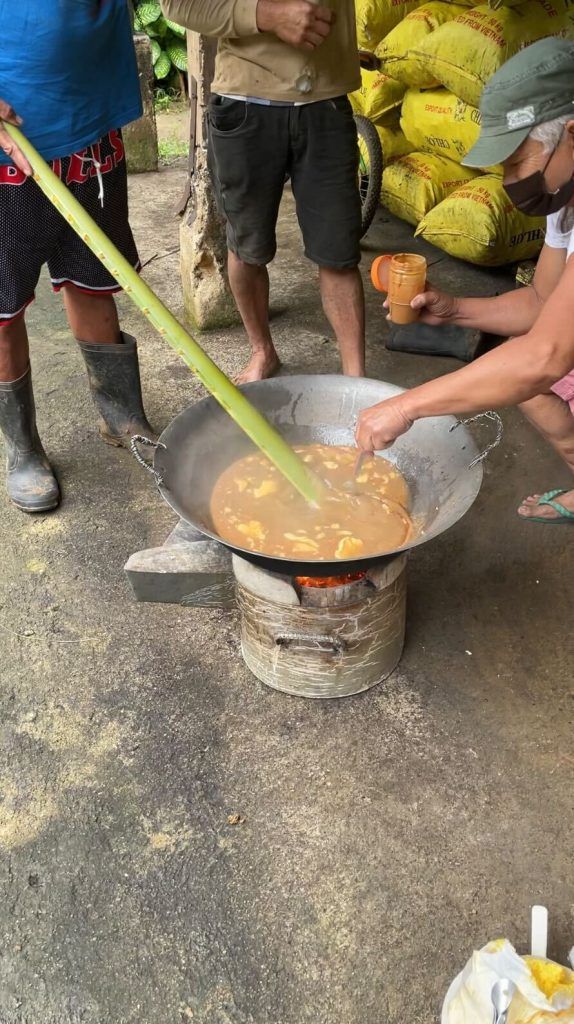
Lucban's Pahiyas Festival is the best-known cultural event in Quezon, but every municipality has its own patron saint fiesta with particular food traditions. Tayabas City has a Baroque church (Basilica of Saint Michael) that is one of the oldest in the region. The tradition of lambanog production—distilled coconut wine—is concentrated in Tayabas and nearby towns and has developed into a cottage industry that supplies specialty shops in Manila.
★
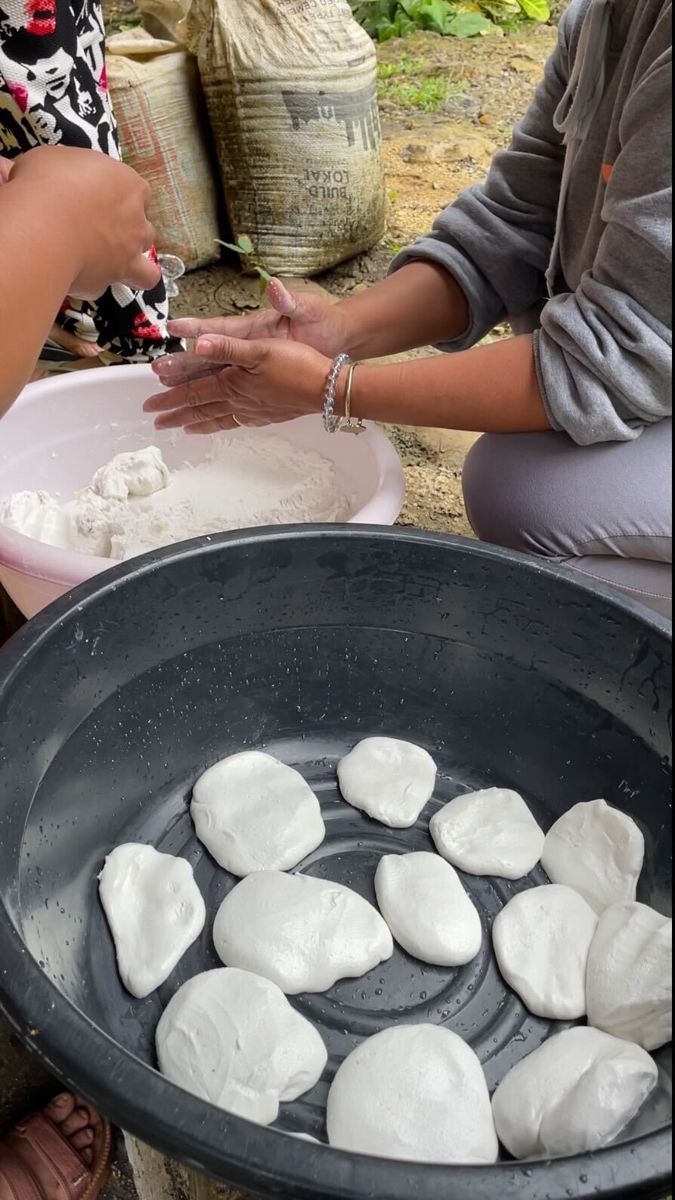
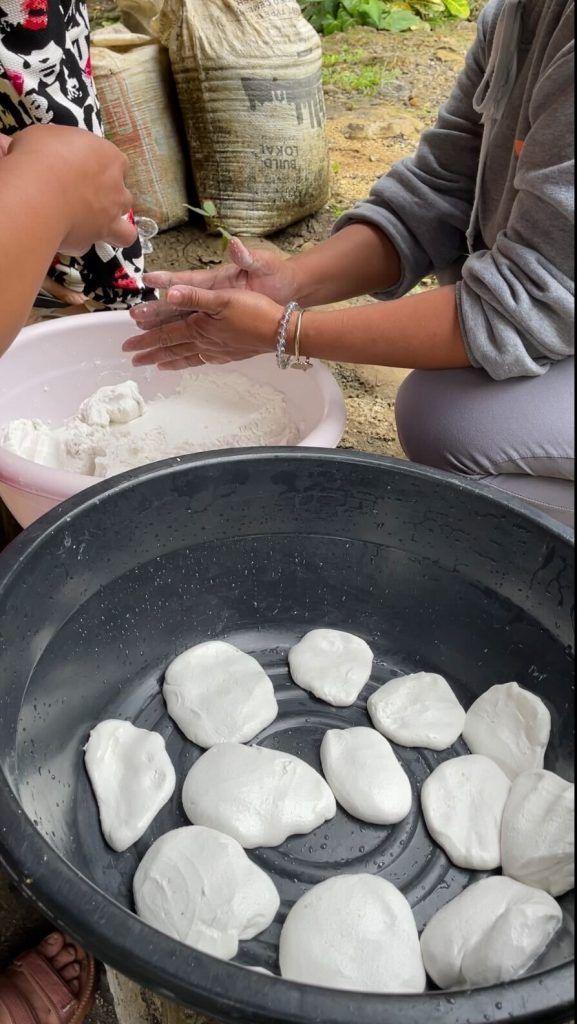
Kiping: Edible ArtKiping is made from rice dough pressed into leaf molds and colored with food dye, then dried and fried until translucent and crisp. During Pahiyas, kiping are strung into elaborate curtains and mobiles that decorate house facades. After the festival, they are eaten or sold as snacks.
The Bondoc Peninsula, a remote finger of land jutting south into the Sibuyan Sea, has a distinct character from the rest of the province—more isolated, more dependent on fishing and small-scale farming, with fewer connections to Manila's consumer economy. Communities there retain practices that have changed more slowly than those closer to Lucena City.
Quezon's food heritage is extensive and specific. The province produces distinctive regional items—Lucban longganisa, lambanog, pancit habhab—that are recognized nationally. The combination of Sierra Madre forest products, Pacific seafood, and the coconut economy gives Quezon a food larder that is broader than most provinces of its size.
Lucban Longganisa
A distinctive garlicky, sour sausage made with pork, vinegar, and liberal amounts of garlic and oregano. Lucban longganisa is smaller in diameter than most Filipino longganisa and has an assertive herbal flavor from dried oregano—not common in other regional sausages. It is sold fresh or dried and is a standard Lucban pasalubong.
Pancit Habhab
Pancit (noodles) cooked with vegetables and meat, served on a banana leaf without a plate. The 'habhab' name refers to eating it directly from the leaf by lifting and eating without utensils—a practical festival food. A Lucban specialty, sold by street vendors during the Pahiyas Festival and year-round.
5 minutesPrep
0 minutesCook
2Serves
Ingredients
- 60 ml (2 shots)lambanog (coconut vodka)
- 200 mlfresh coconut water
- 30 ml (3–4 fruits)calamansi juice
- 15 ml, or to tastesugar syrup
- to fill glassice
Method
- Fill two glasses with ice.
- Combine lambanog, coconut water, calamansi juice, and sugar syrup in a shaker.
- Shake briefly and strain over ice.
- Serve immediately.
Cook's noteLambanog is distilled from tuba (fermented coconut sap) and is typically 80–90 proof. The quality of Quezon lambanog varies by producer—look for Tagaytay or Lucena-based artisan brands. Fresh coconut water is essential; carton coconut water is a poor substitute.
Tagalog is the dominant language of Quezon province, spoken by virtually the entire lowland population. The Tagalog of Quezon—particularly in the older towns of Lucban, Tayabas, and Sariaya—retains features of classical Tagalog that have been smoothed out in the Metro Manila standard. Quezon Tagalog speakers are sometimes distinguished by a particular accent and vocabulary.
TagalogPrimary
Classical features retained in older townsCharacter
Bicol (in southern municipalities)Also spoken
★
Tagalog HeartlandTayabas, the old name for Quezon, was historically considered part of the Tagalog core territory. The towns of Tayabas and Lucban preserve Tagalog vocabulary and pronunciations that have largely disappeared from Manila speech. Folklorists have recorded oral traditions in these towns that link to pre-colonial Tagalog culture.